12/11 - 16/01, 2027
-
Nuvola Camera
Radioso Futuro
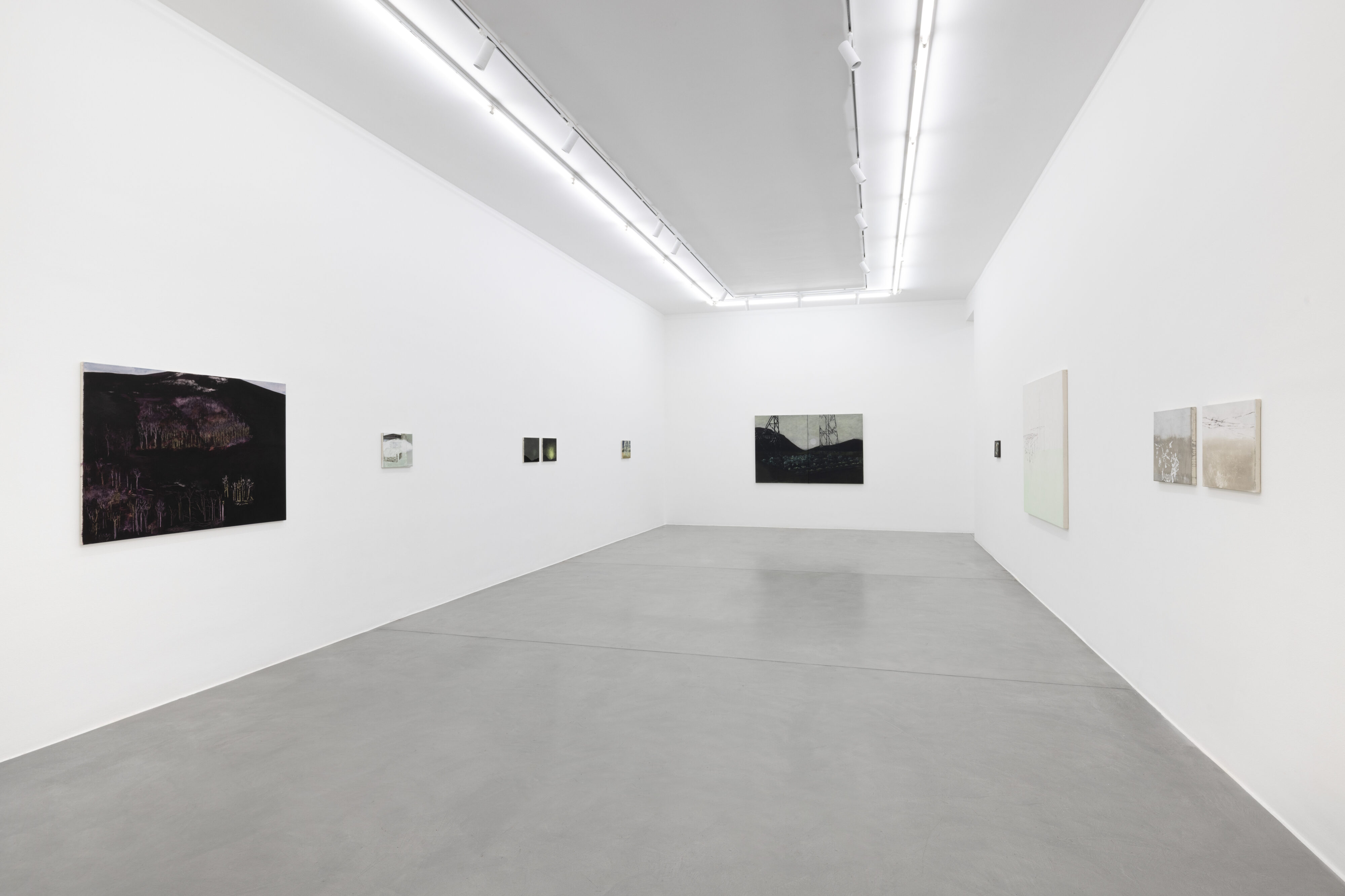
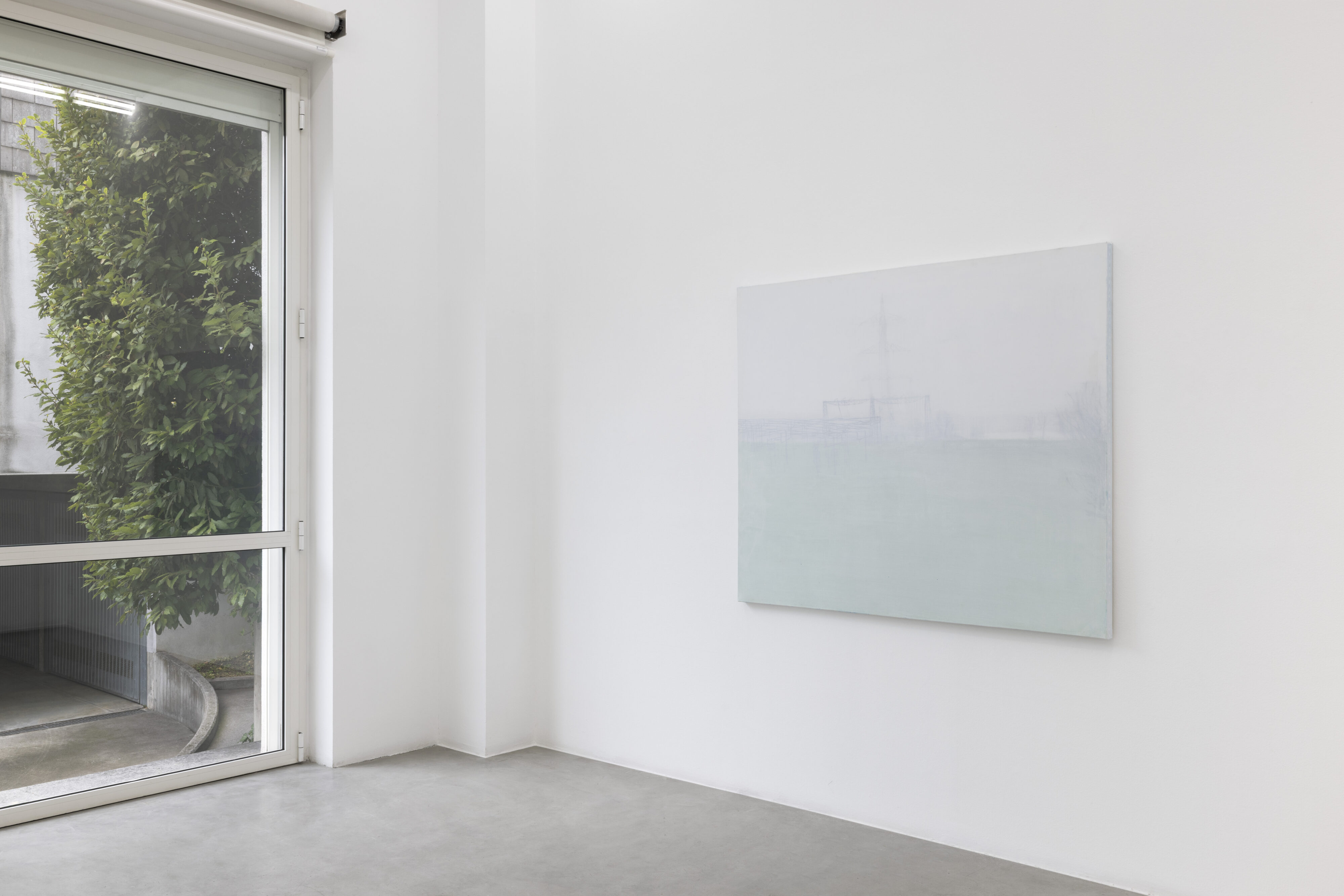
 Nuvola Camera, Radioso Futuro, 2026Exhibition view at Francesca Minini, Milan
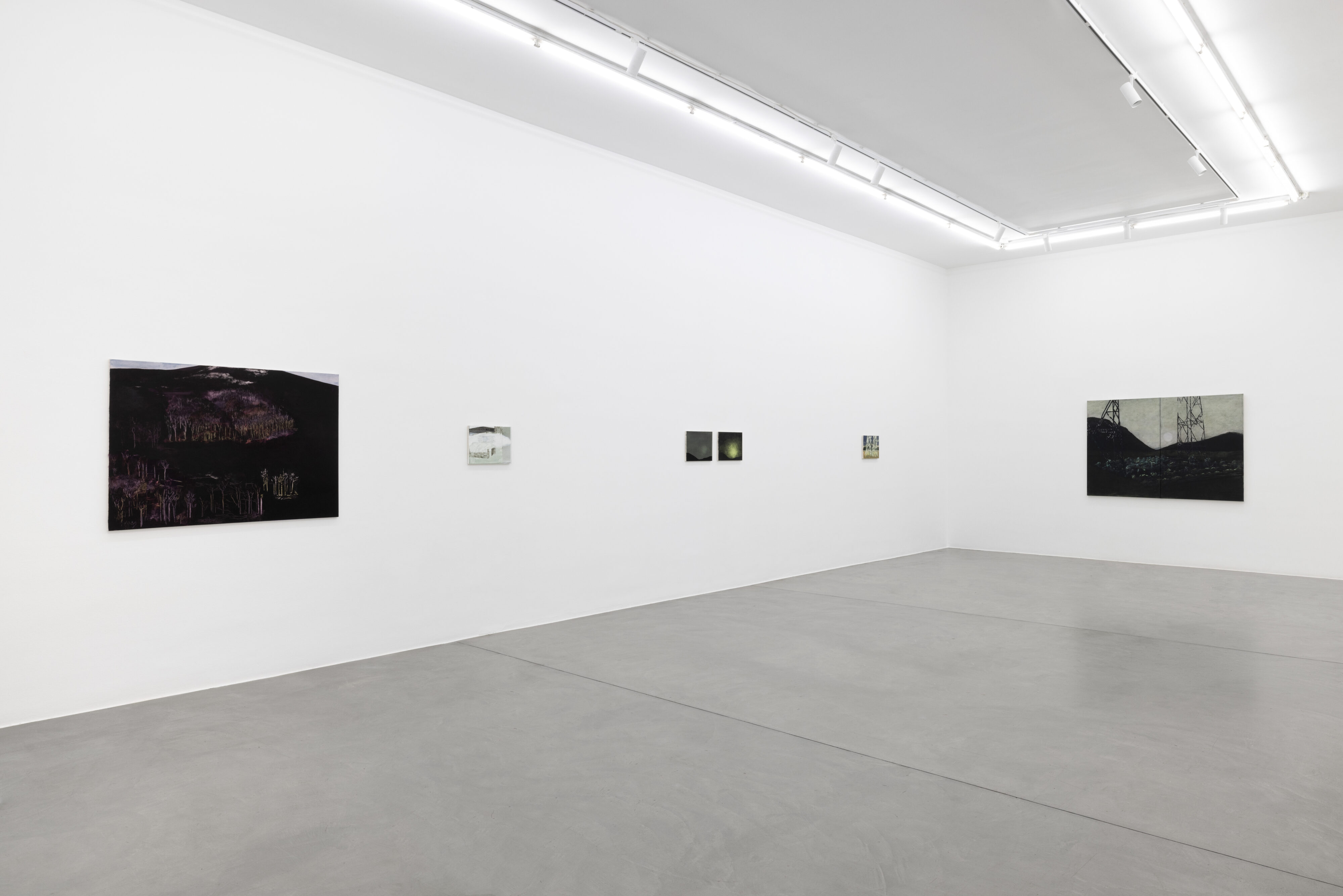
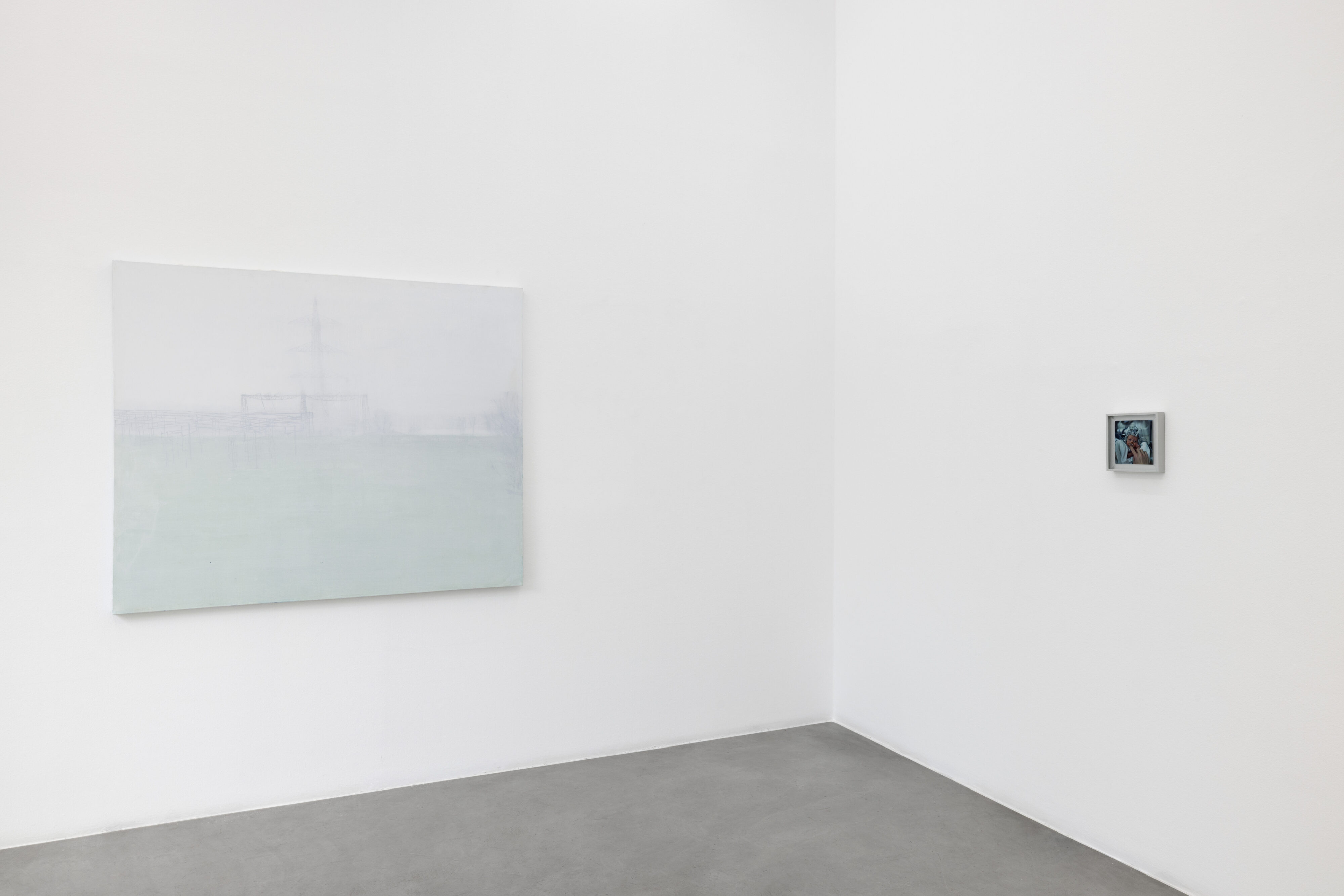
Photo Andrea Rossetti Nuvola Camera, Radioso Futuro, 2026Exhibition view at Francesca Minini, Milan
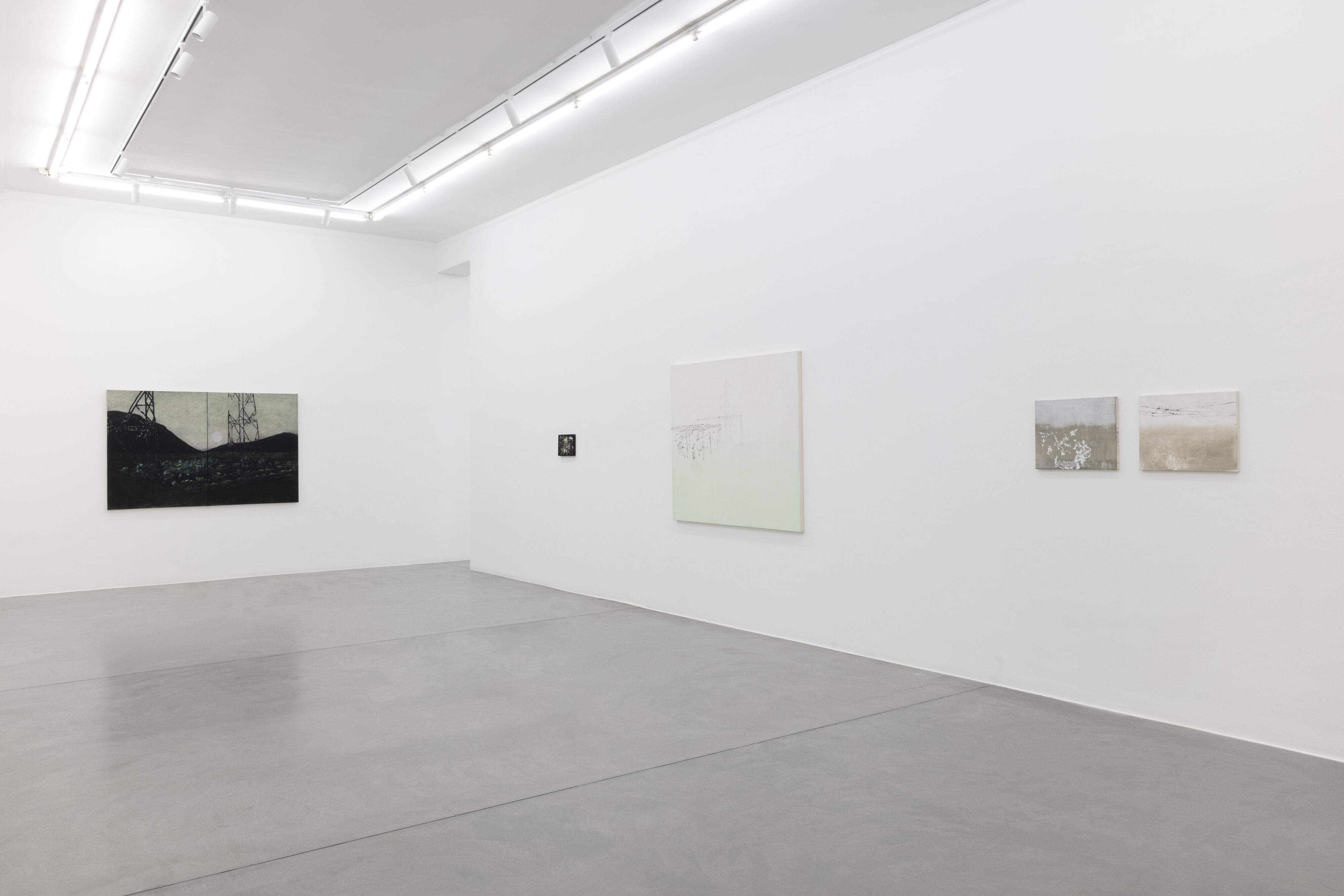
Photo Andrea Rossetti Nuvola Camera, Radioso Futuro, 2026Exhibition view at Francesca Minini, Milan
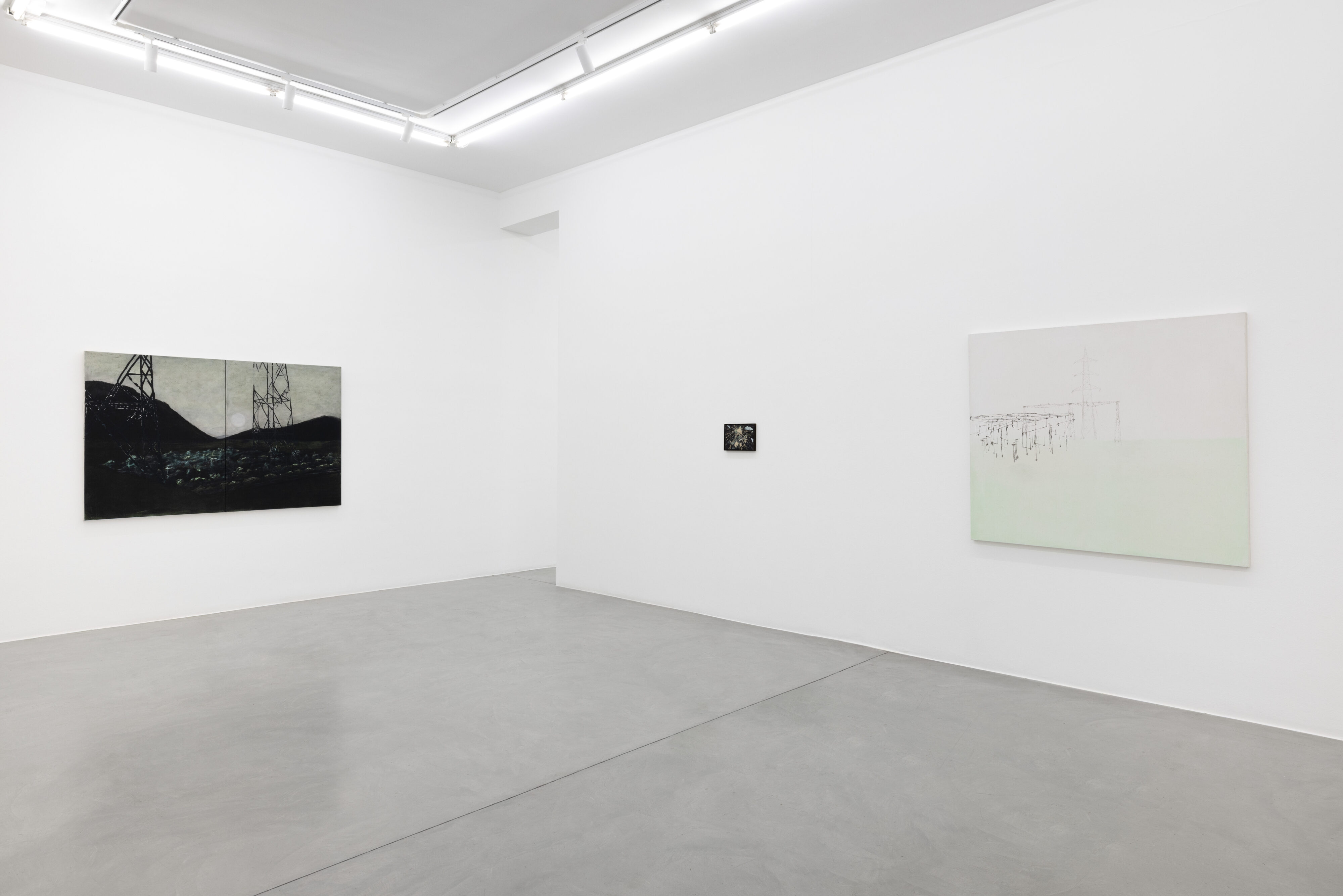
Photo Andrea Rossetti Nuvola Camera, Radioso Futuro, 2026Exhibition view at Francesca Minini, Milan
Photo Andrea Rossetti Nuvola Camera, Radioso Futuro, 2026Exhibition view at Francesca Minini, Milan
Photo Andrea Rossetti Nuvola Camera, Radioso Futuro, 2026Exhibition view at Francesca Minini, Milan
Photo Andrea Rossetti Nuvola Camera, Radioso Futuro, 2026Exhibition view at Francesca Minini, Milan
Photo Andrea Rossetti


curated by Antonio Grulli
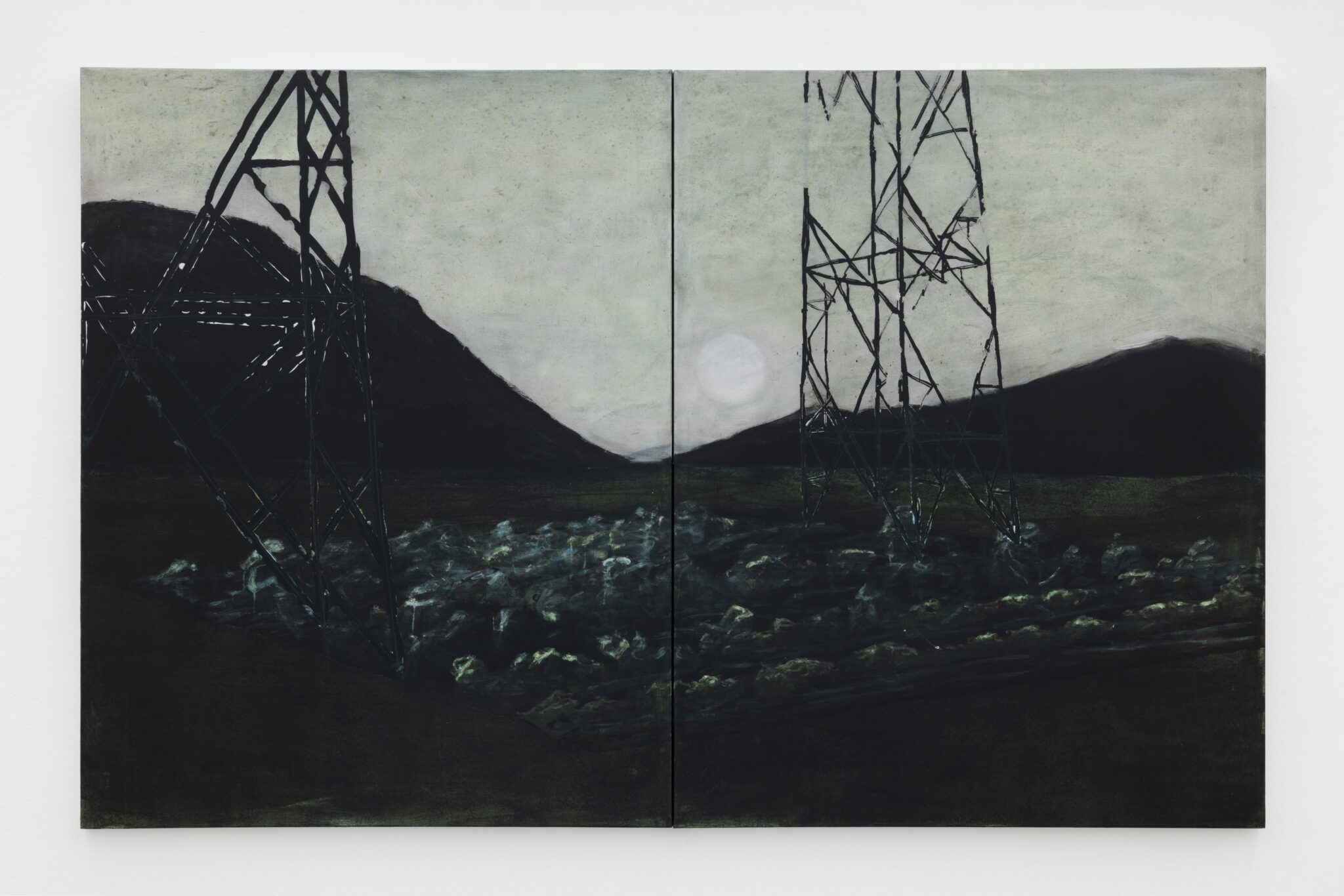
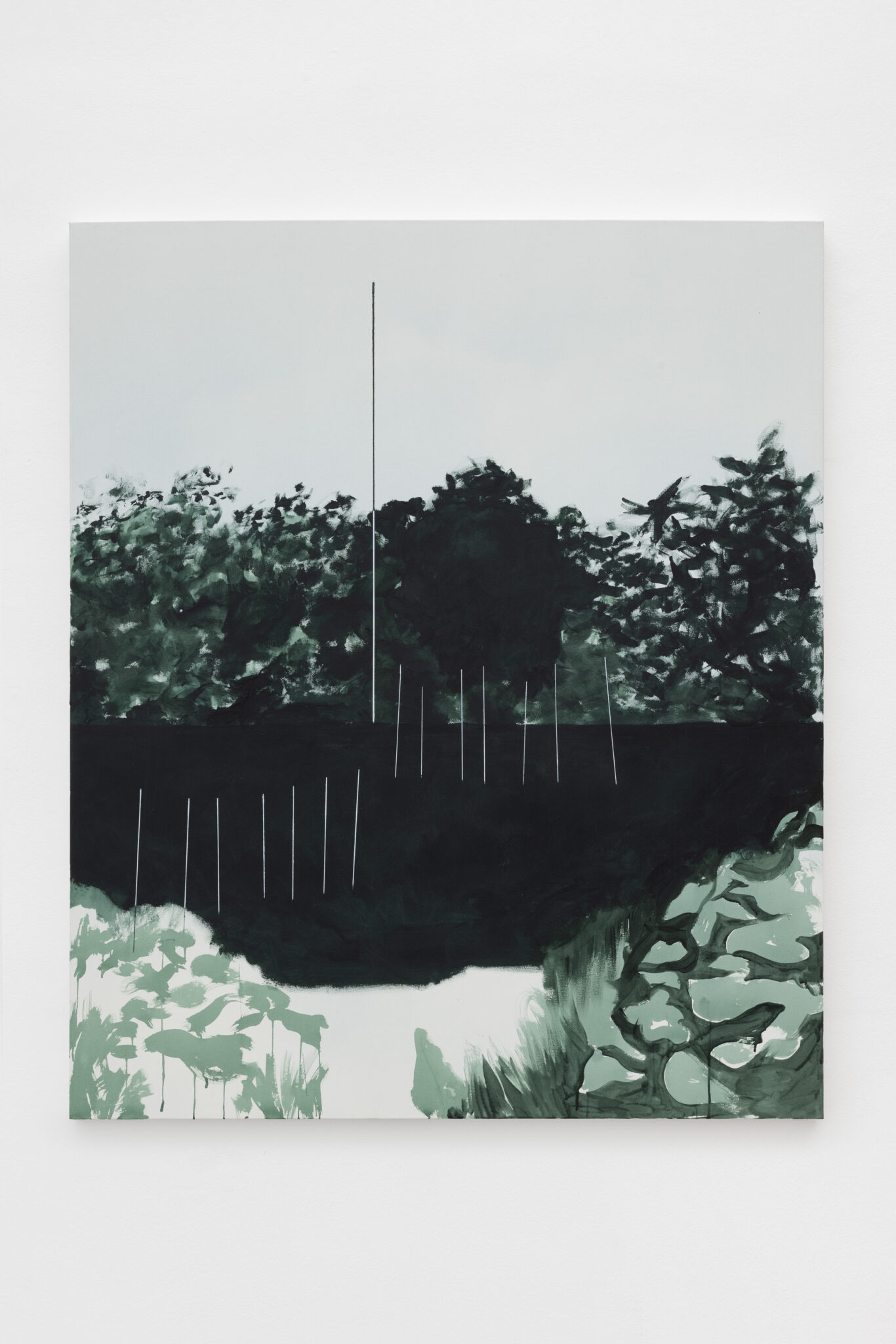
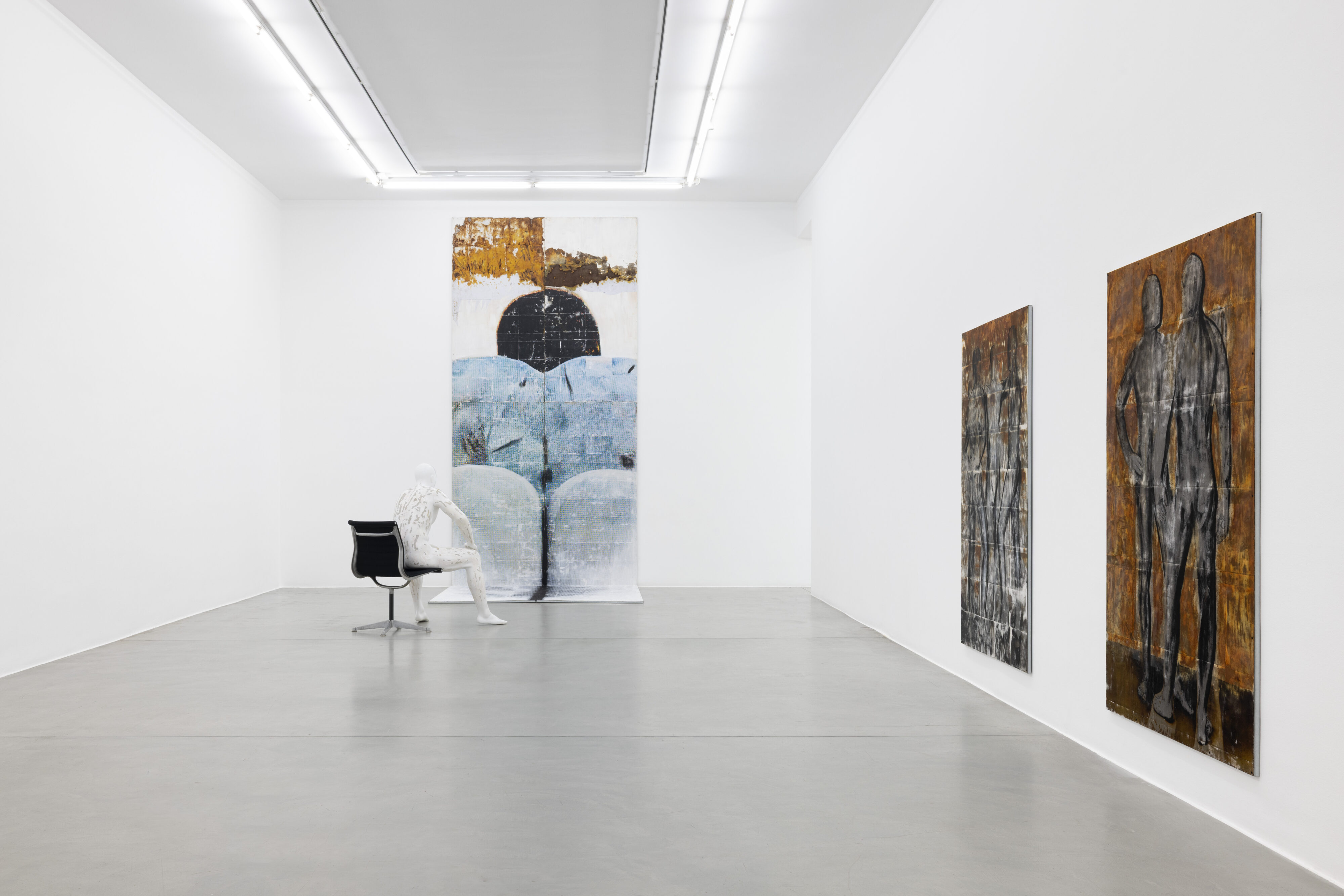
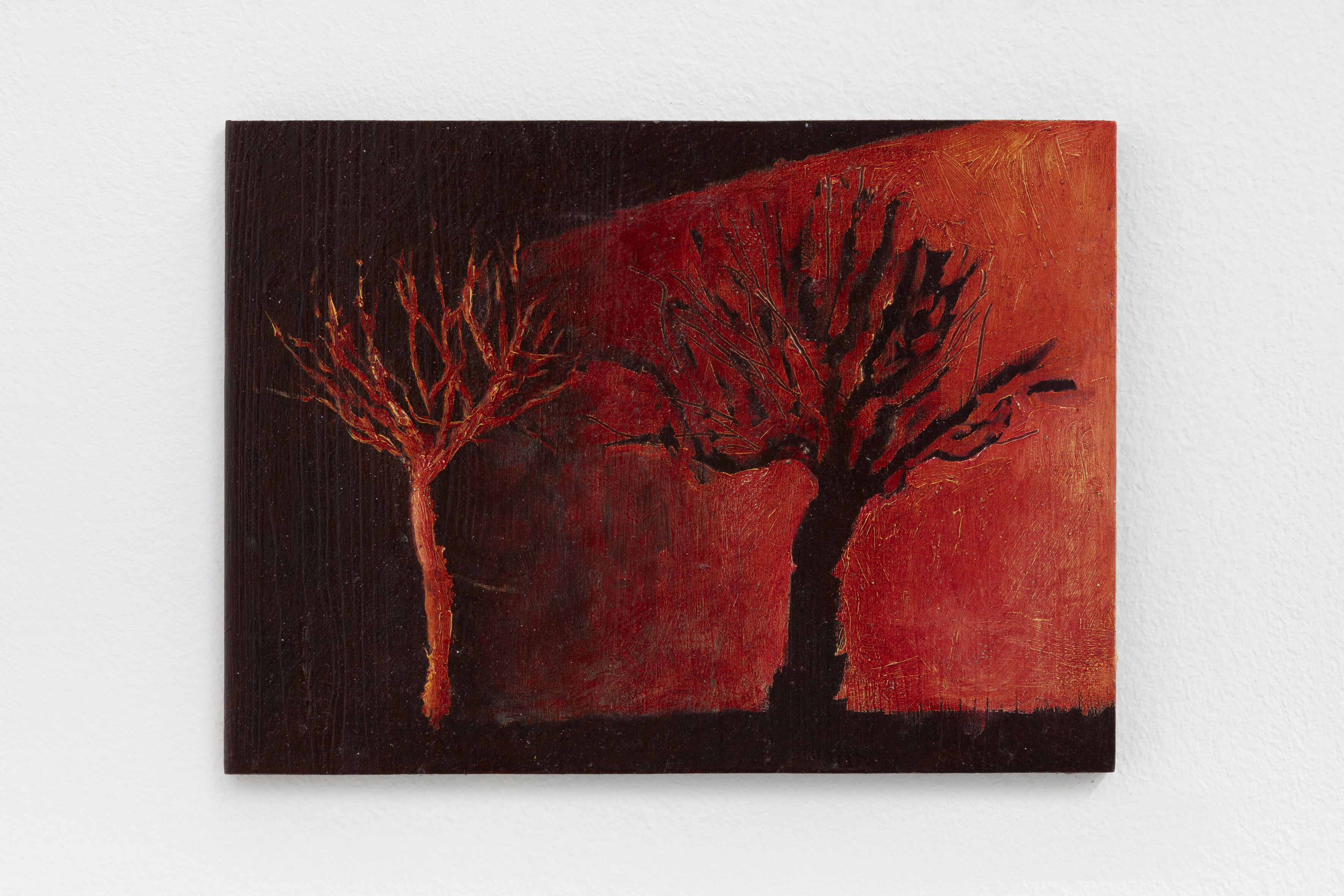
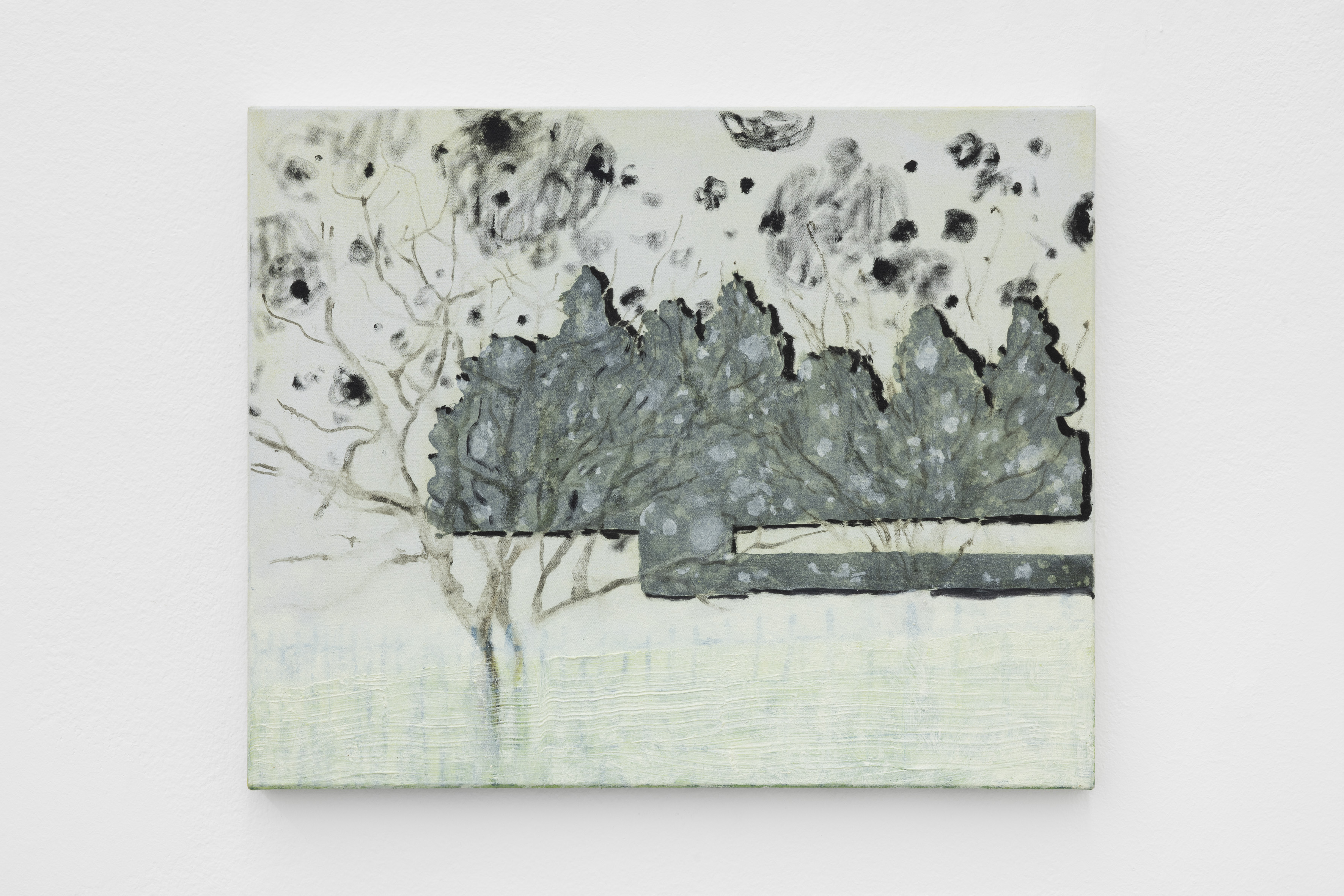
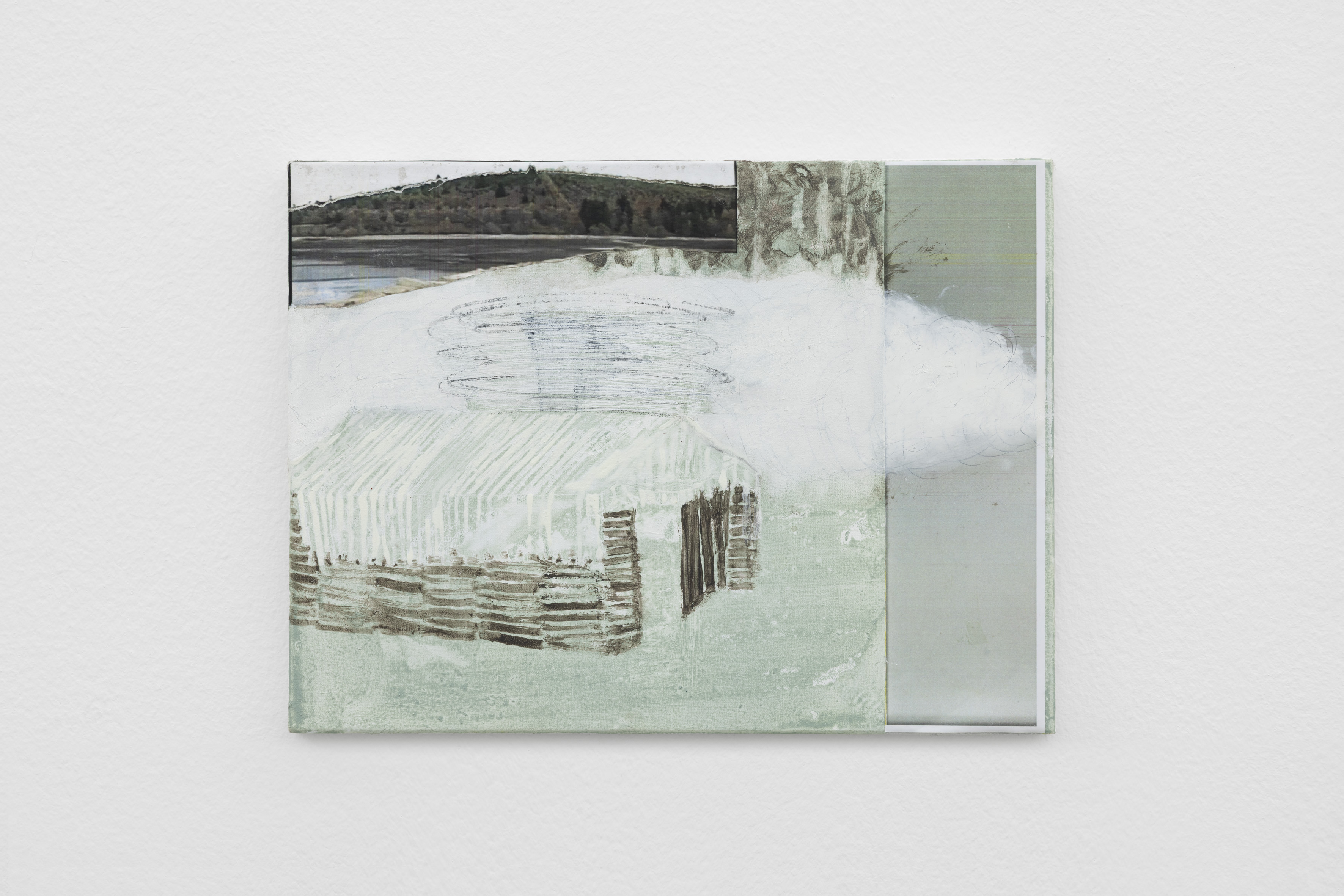
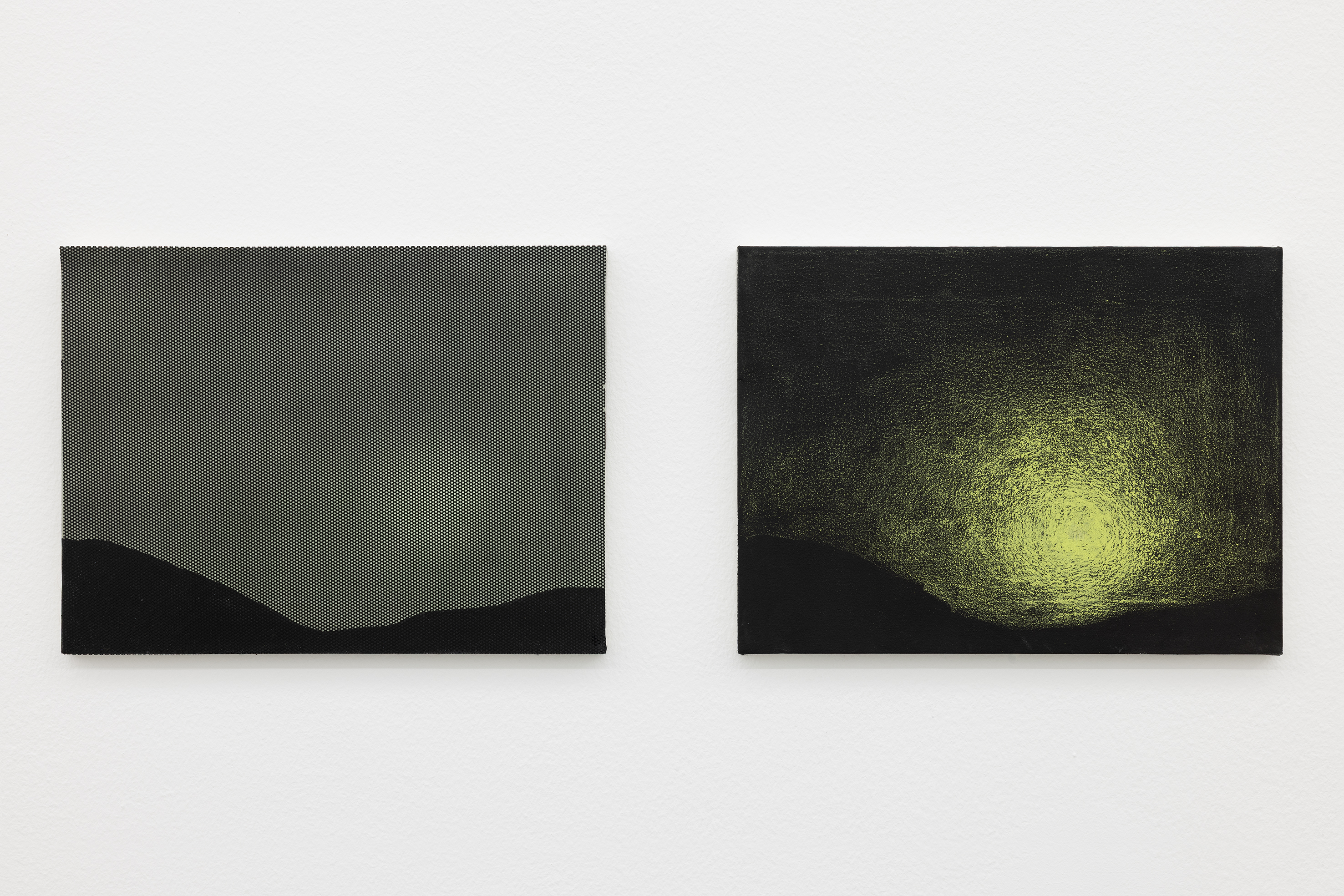
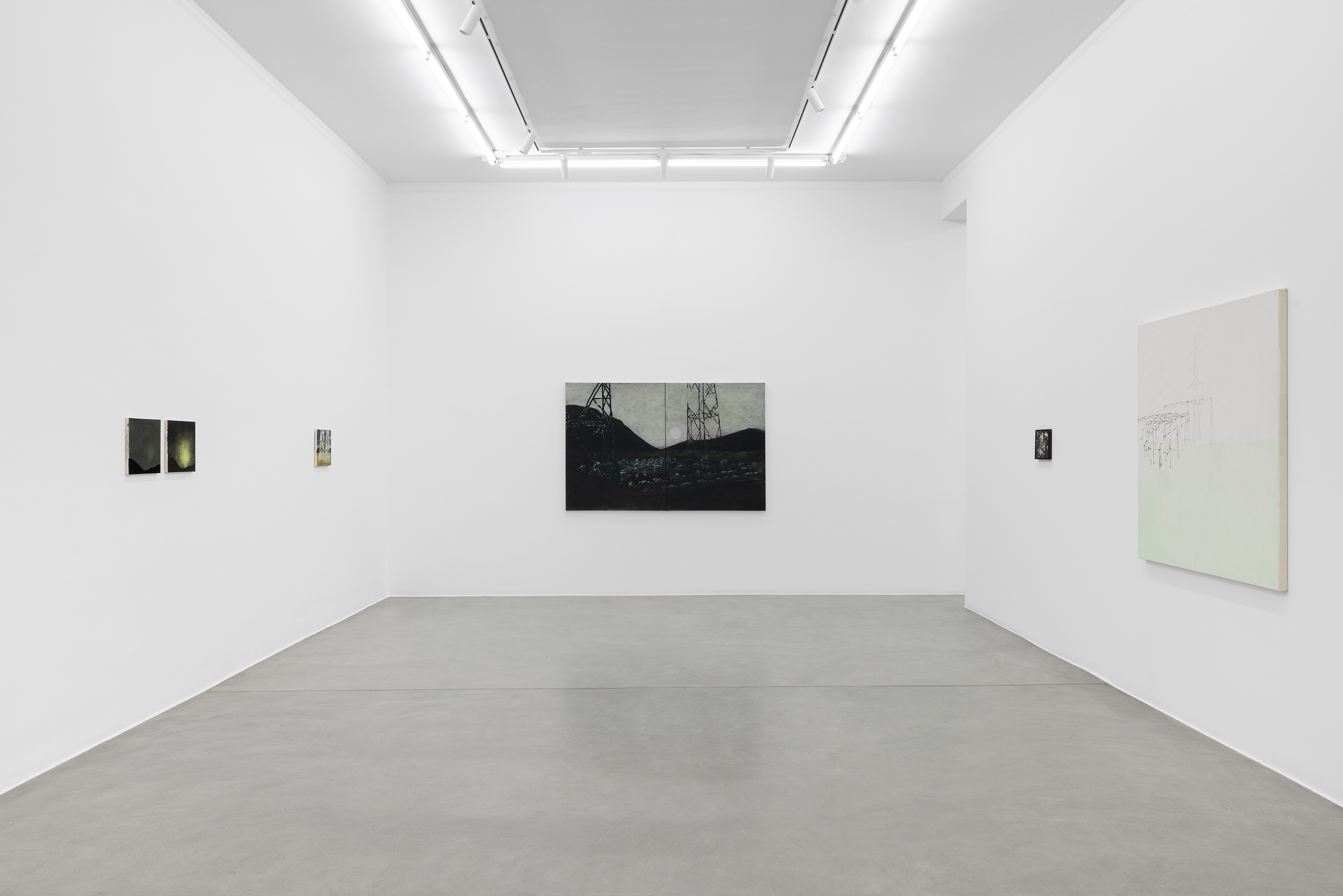
A murmur runs through Nuvola Camera’s exhibition Radioso Futuro: a vibration, the tremor of something invisible and subterranean, the product of an energy whose effects, both direct and indirect, are all that we can perceive. It is an energy that flows beneath the surface of the paintings and gathers in the lines that cut across their fields of colour, slicing through them like scars or dividing them like natural or political boundaries. But the murmur is also an audible one: the sound created by Marco Bonaldo, conceived as a soundscape that extends throughout the two rooms of the exhibition, engaging in dialogue with the works on the walls and gathering them together.
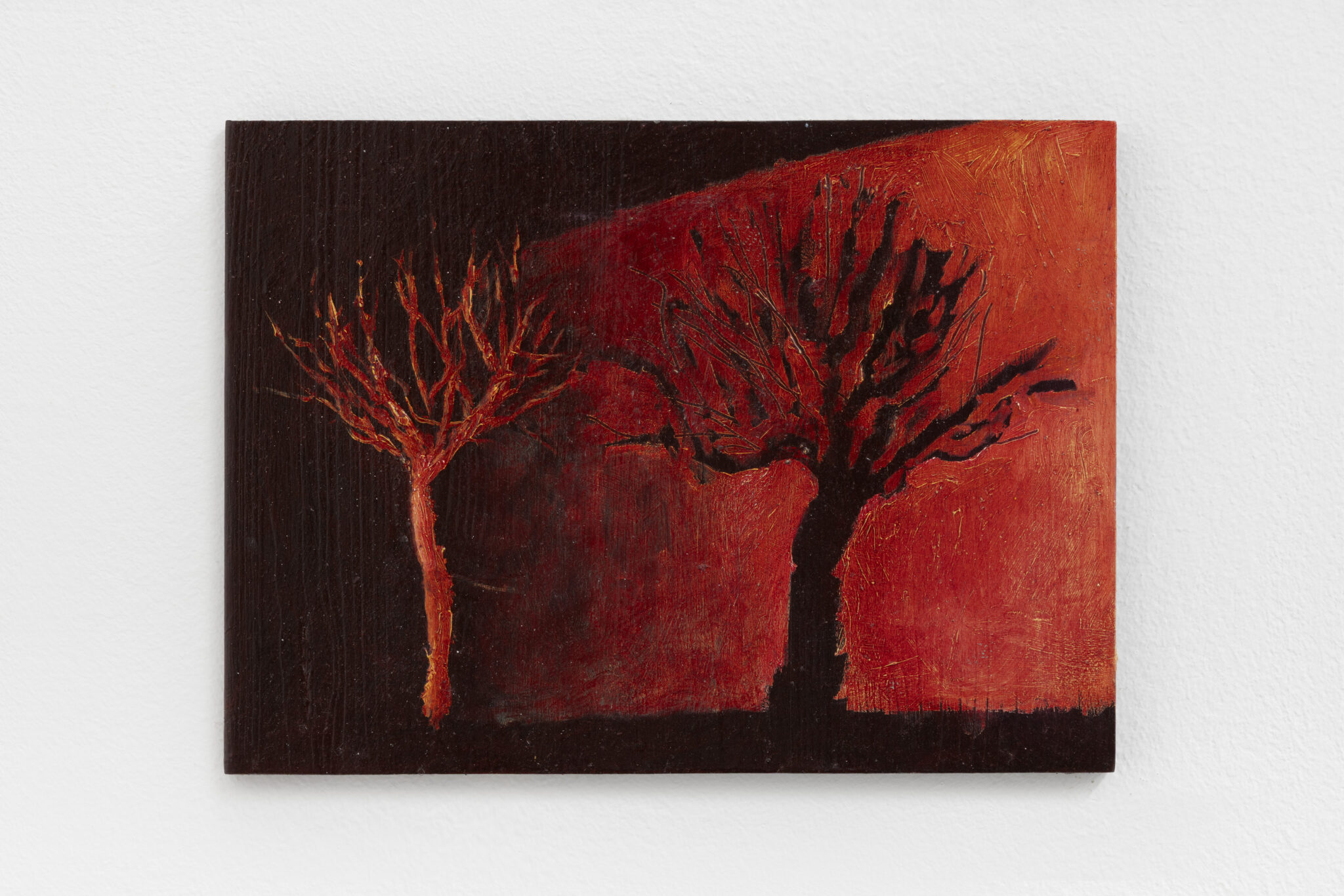
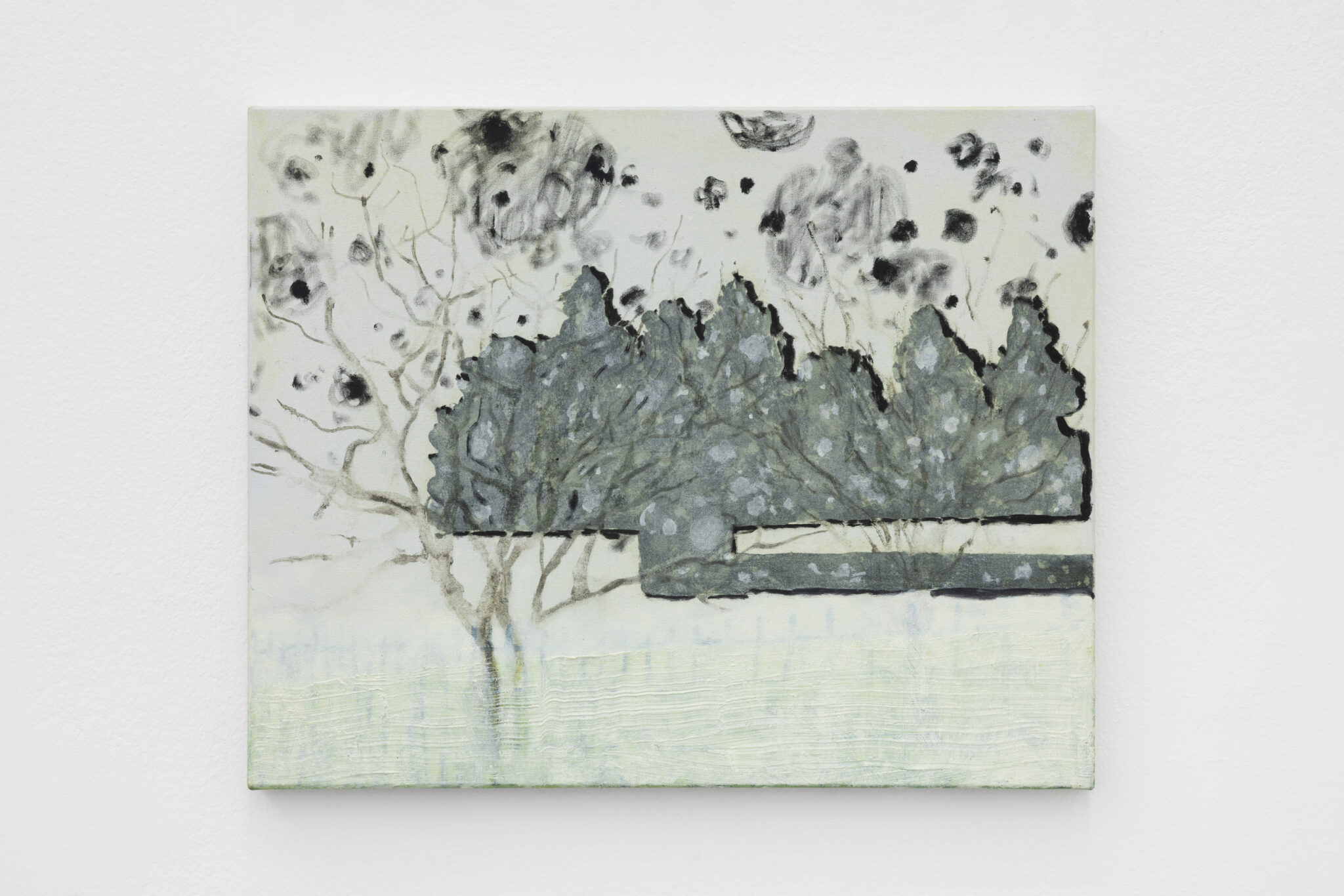
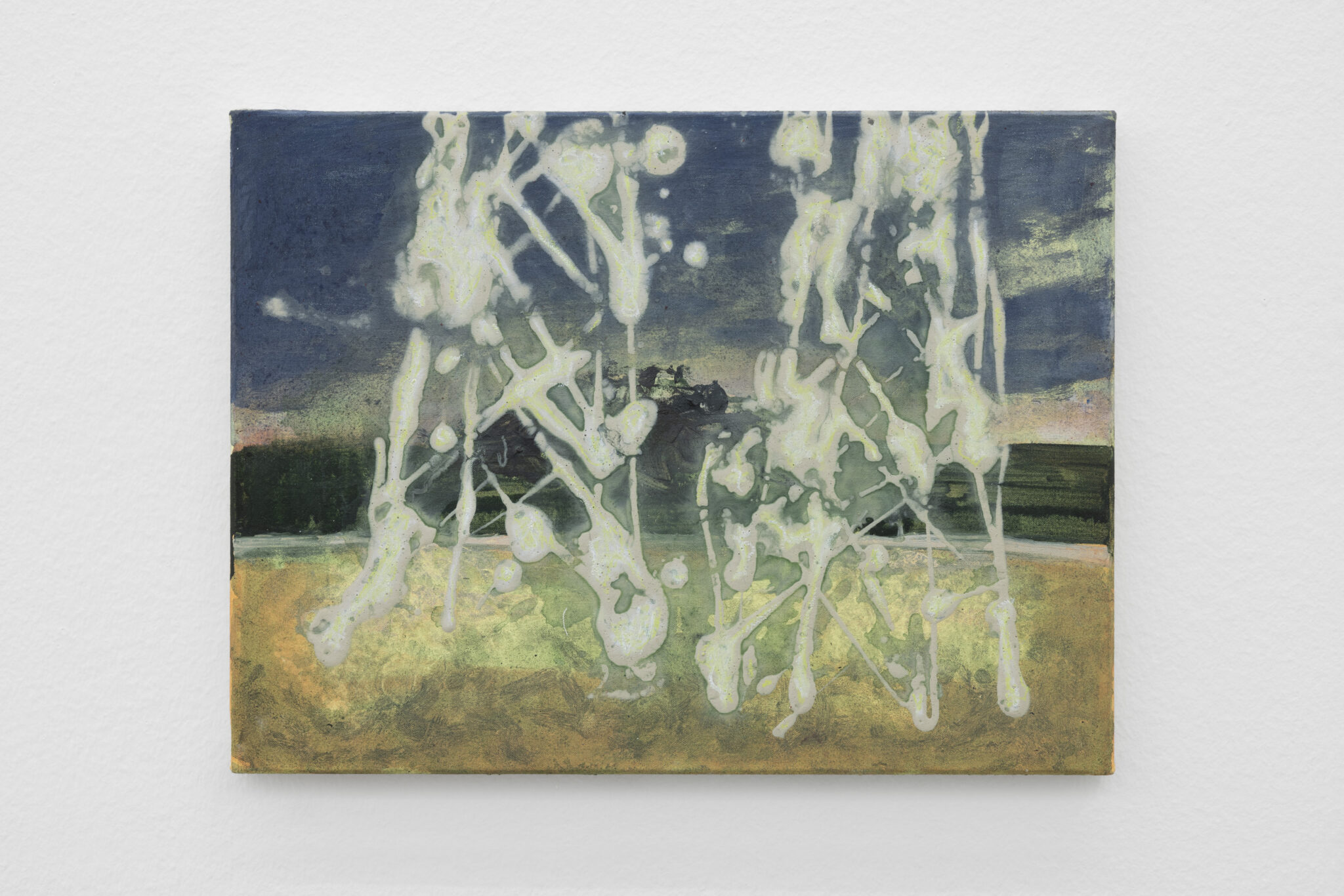
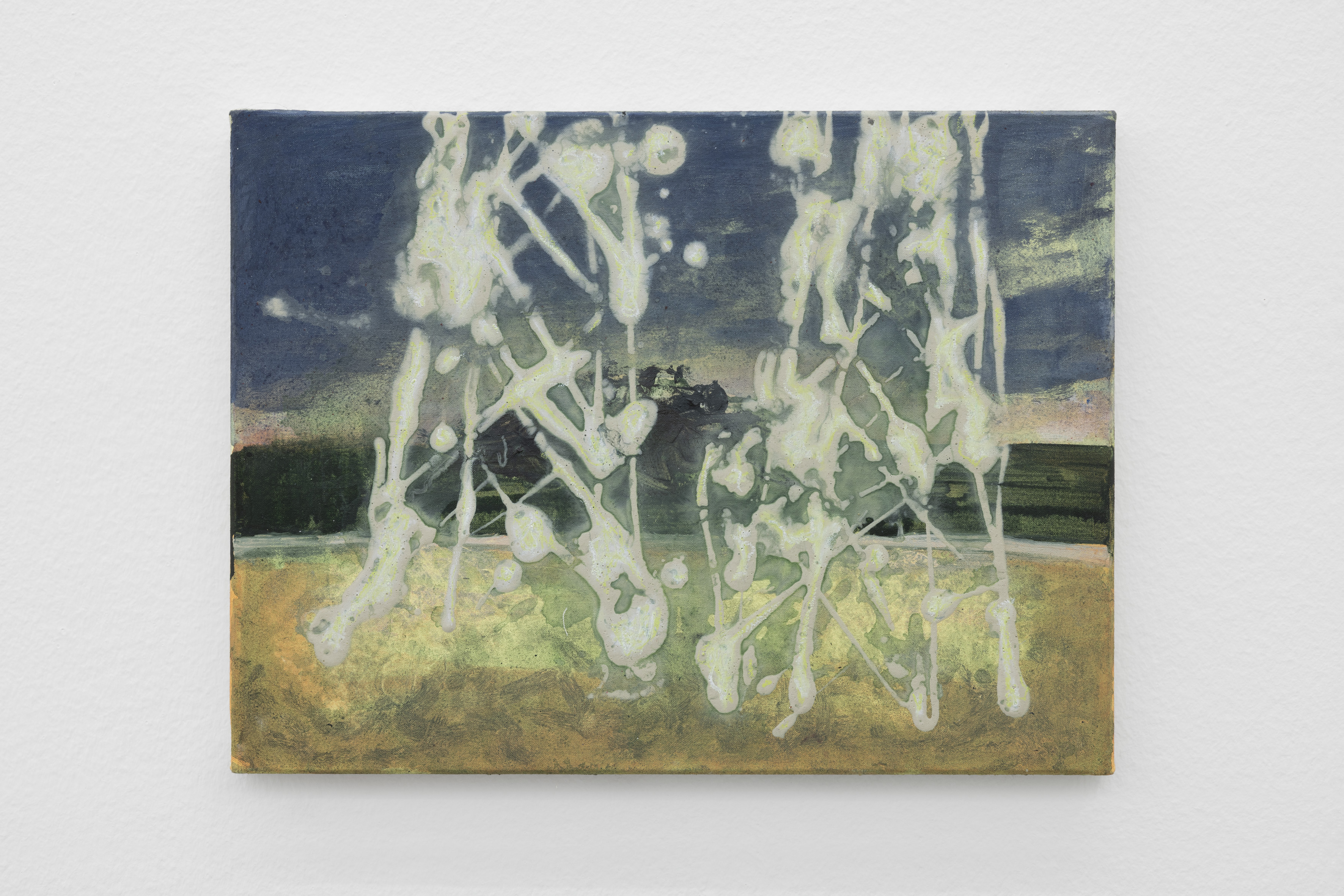
Nuvola Camera is arguably one of the most promising painters emerged from the latest generation of Italian artists. She trained between Milan and Venice, two cities that, in recent years, have been incubators for the new wave of figurative painting sweeping across the country, producing extraordinary results. The subjects of this series of paintings are predominantly landscapes, a classical genre that lies at the heart of much of her artistic practice. Nuvola approaches landscape without irony, detachment or the deconstructive second thoughts characteristic of many postmodern approaches to painting. Here, landscape emerges as a genre capable of speaking to the present and as a means of reflecting on the future—not only of painting, but of much more. The title of the exhibition, charged with ambiguity, makes this clear from the beginning.
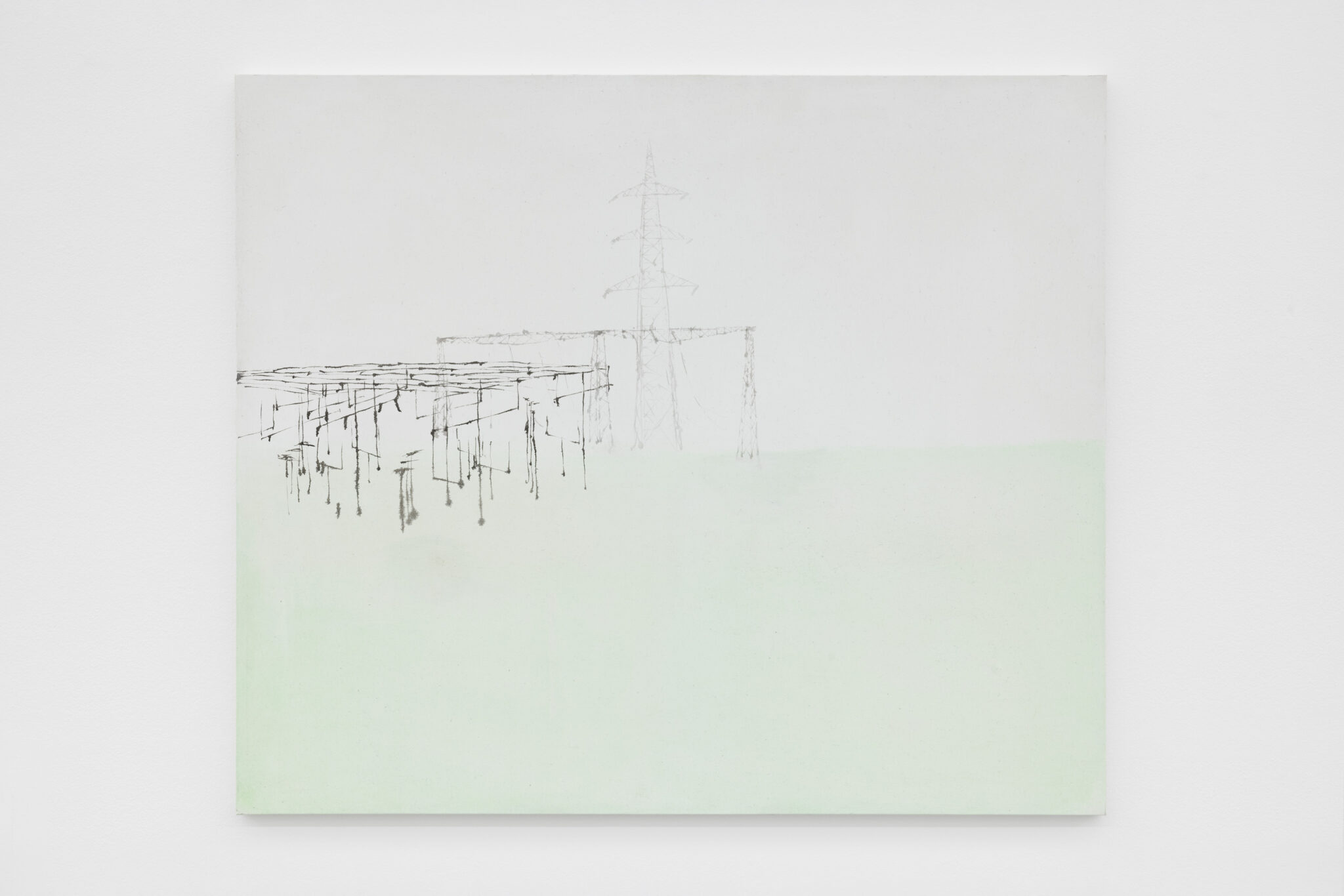
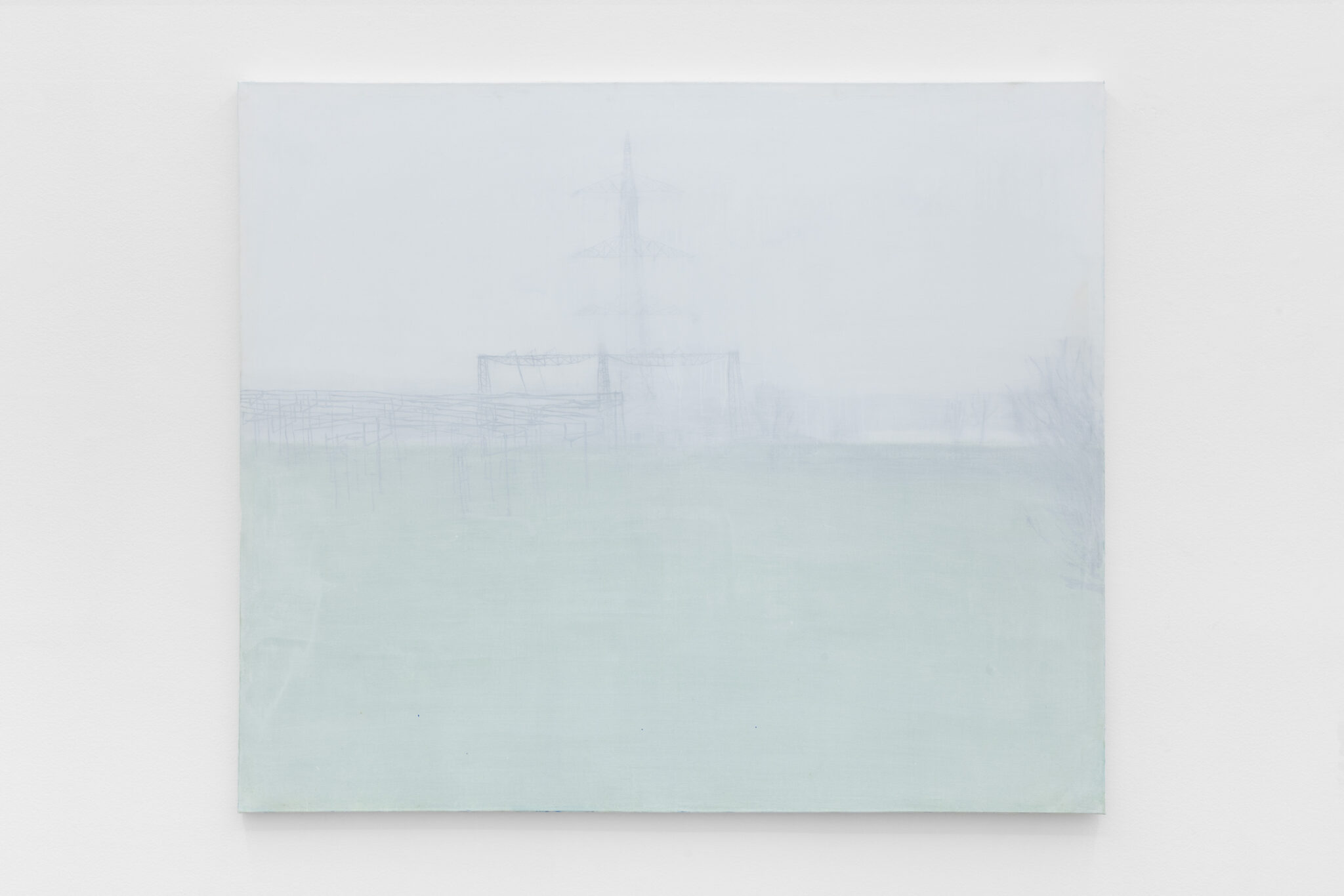
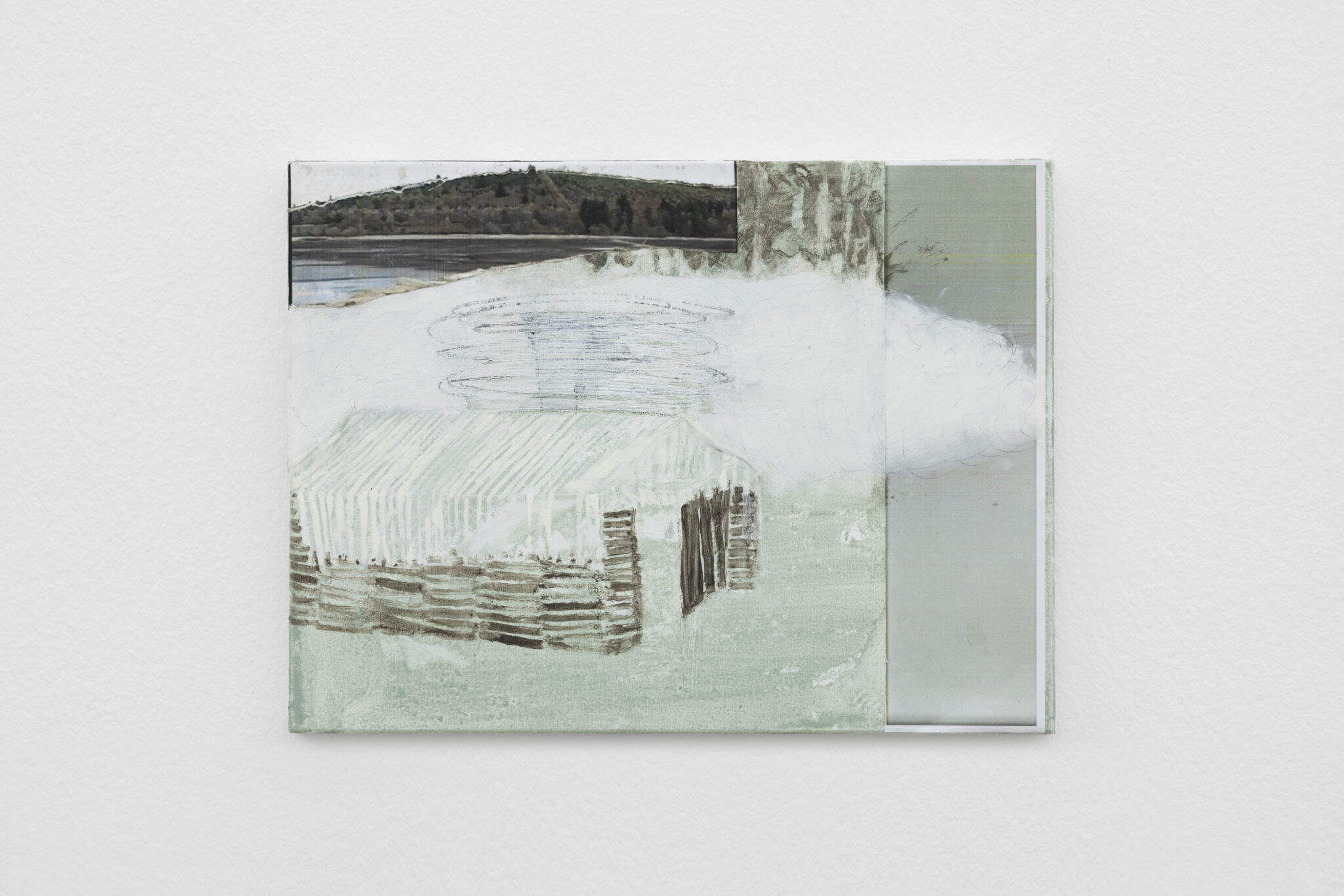
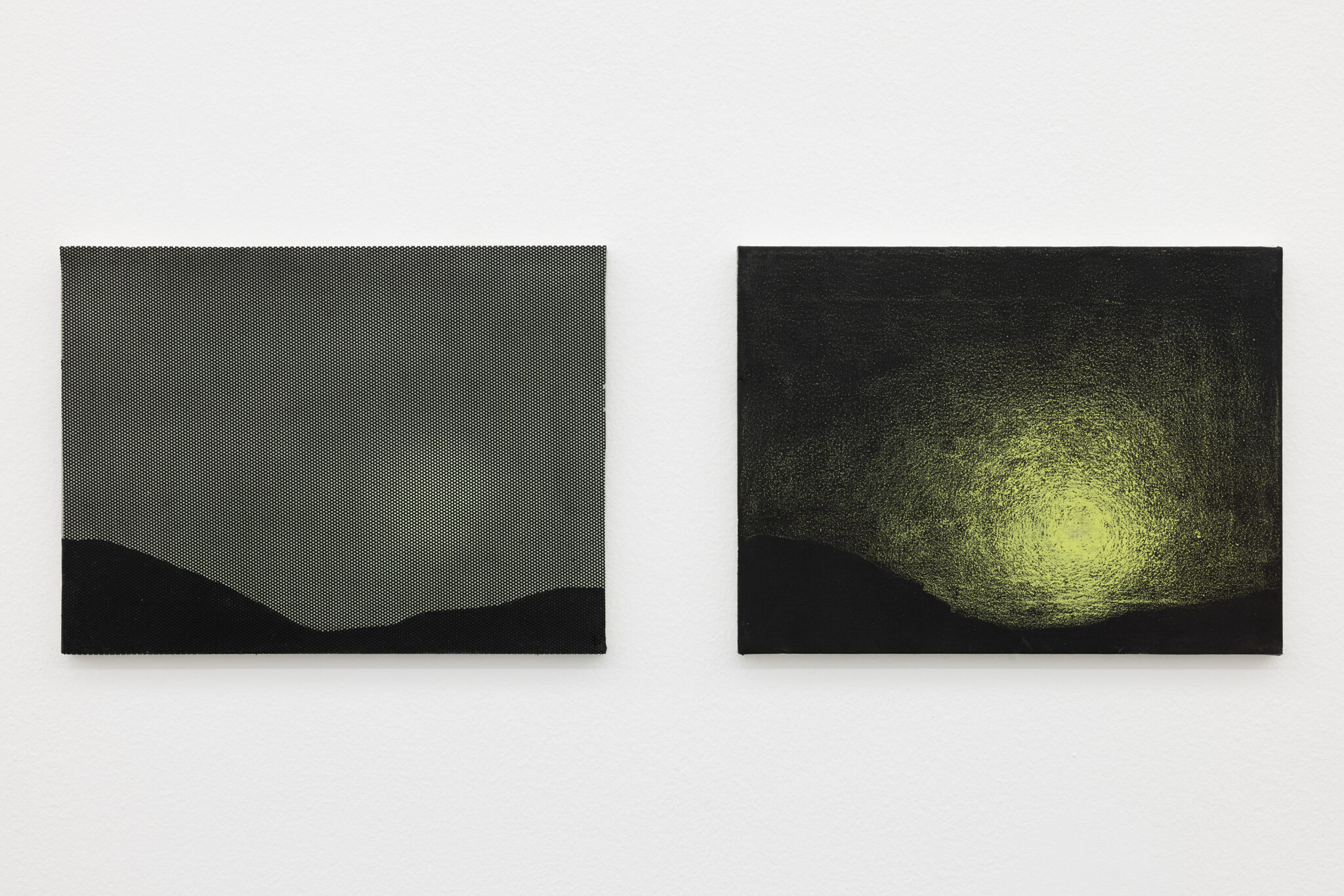
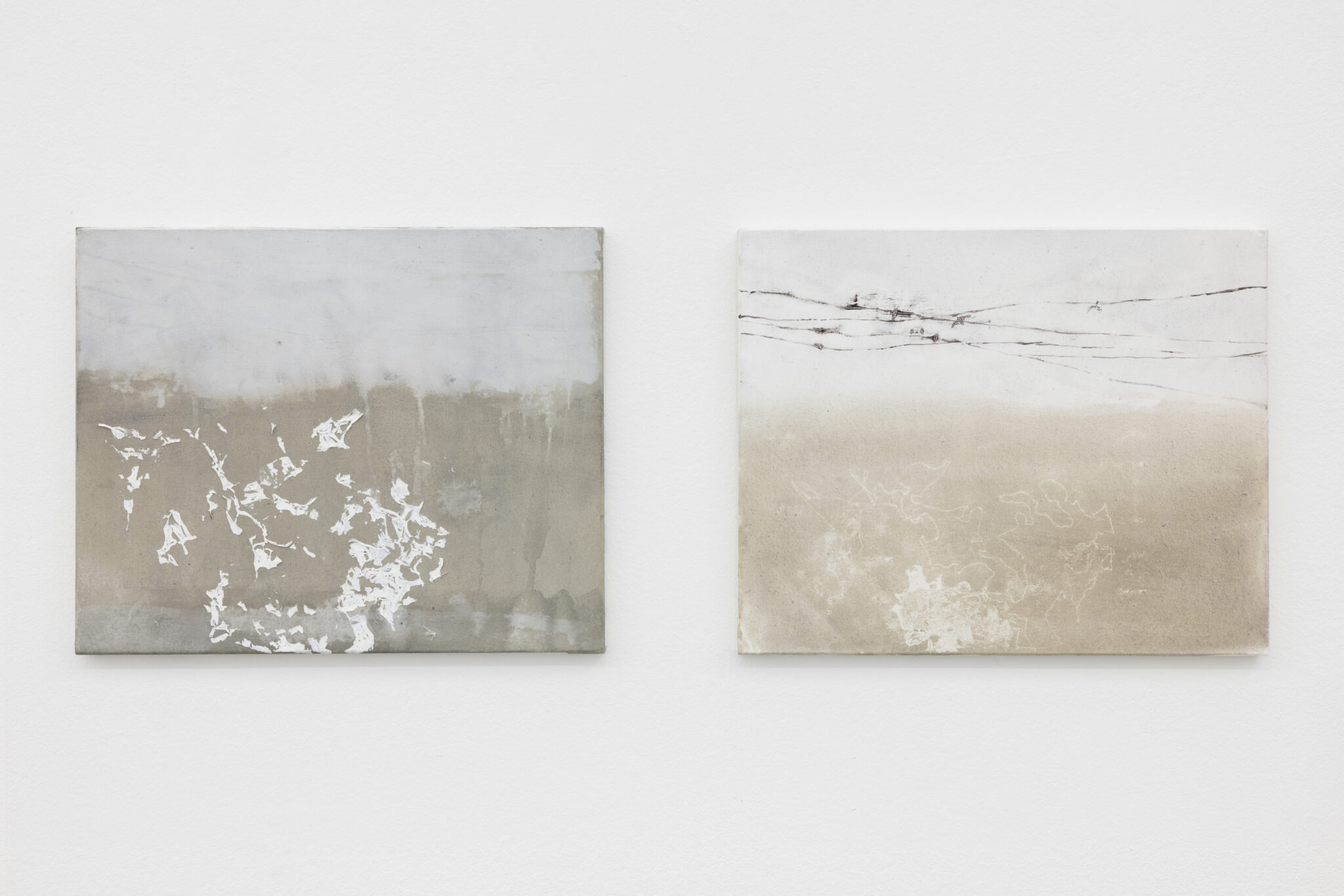
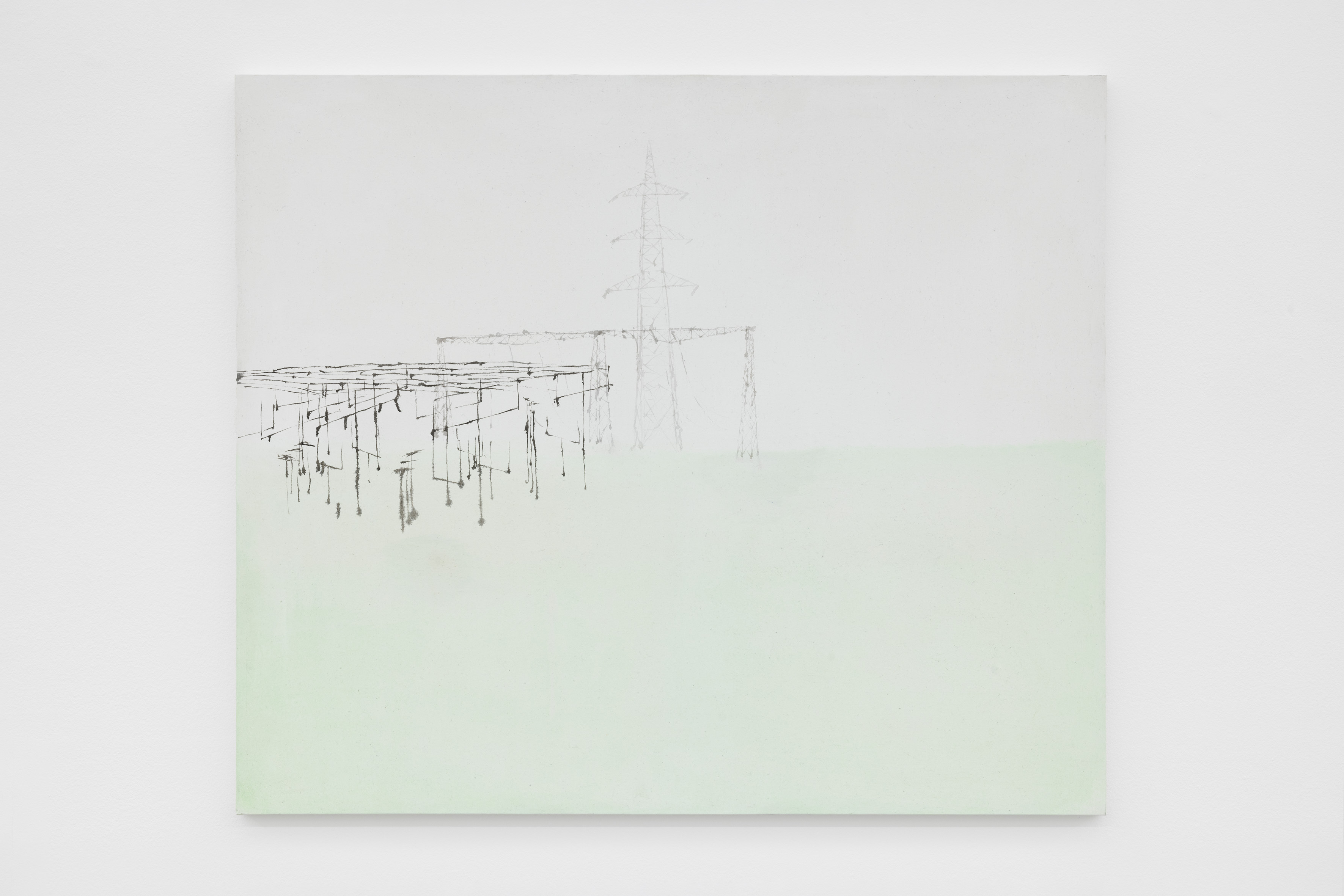
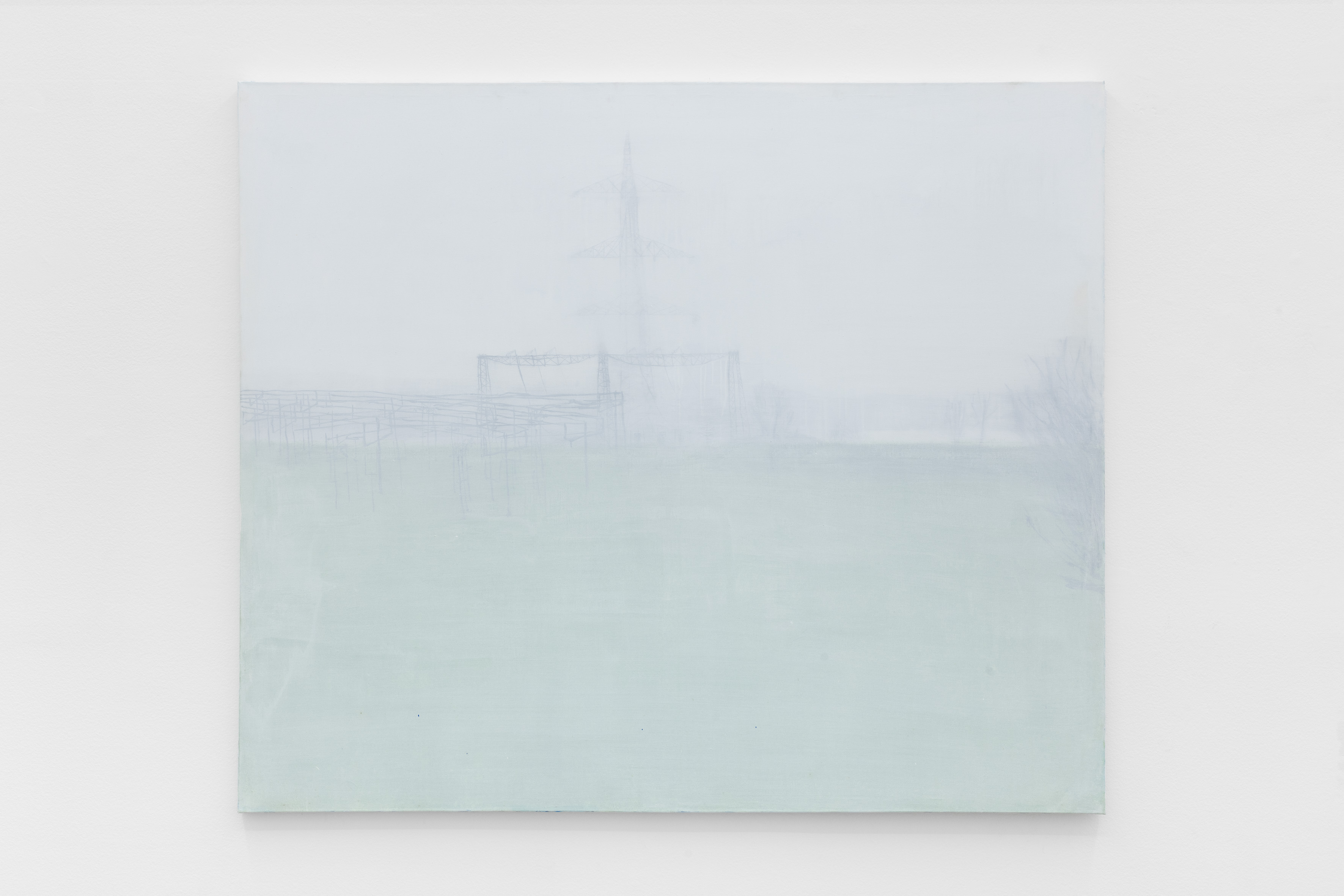
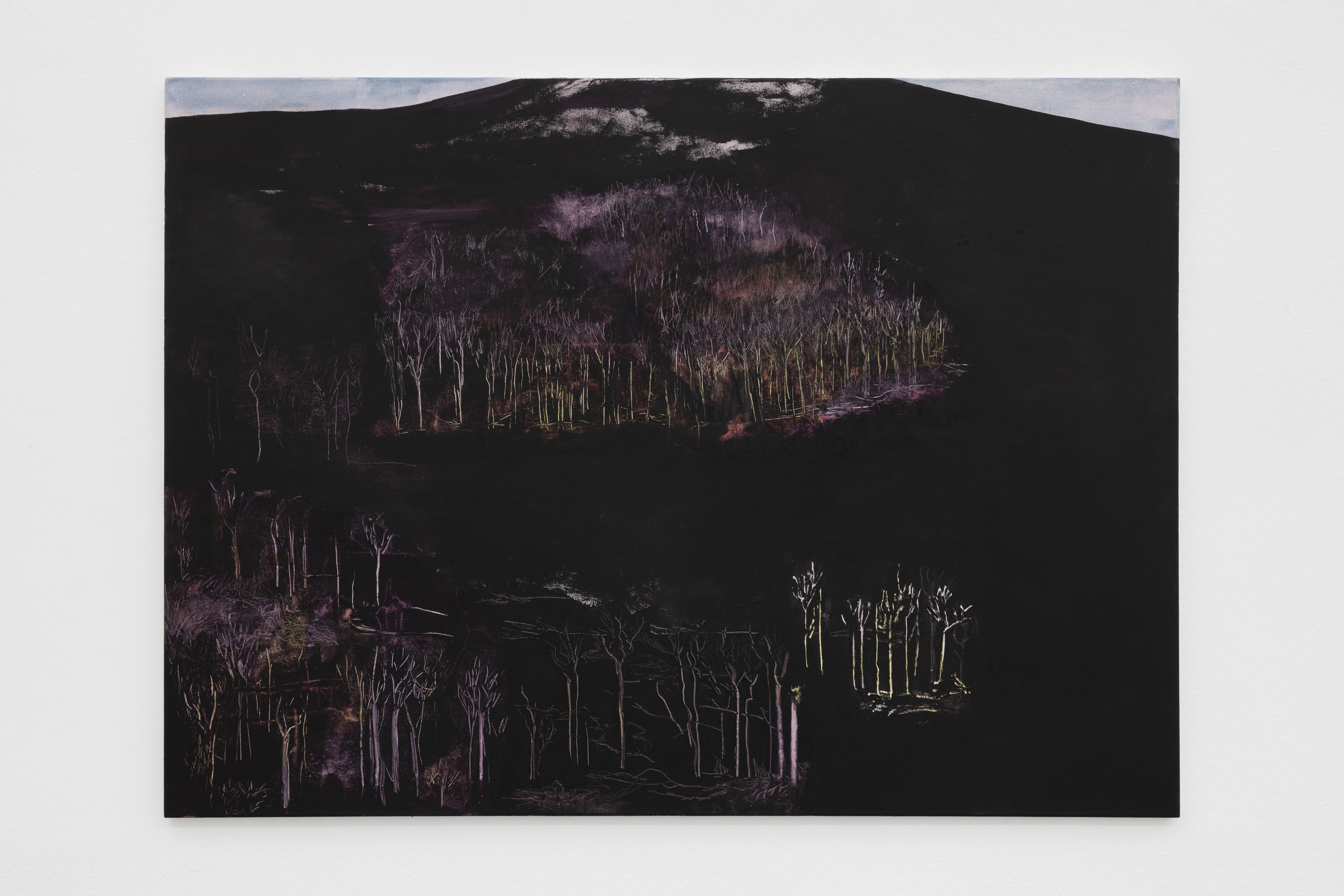
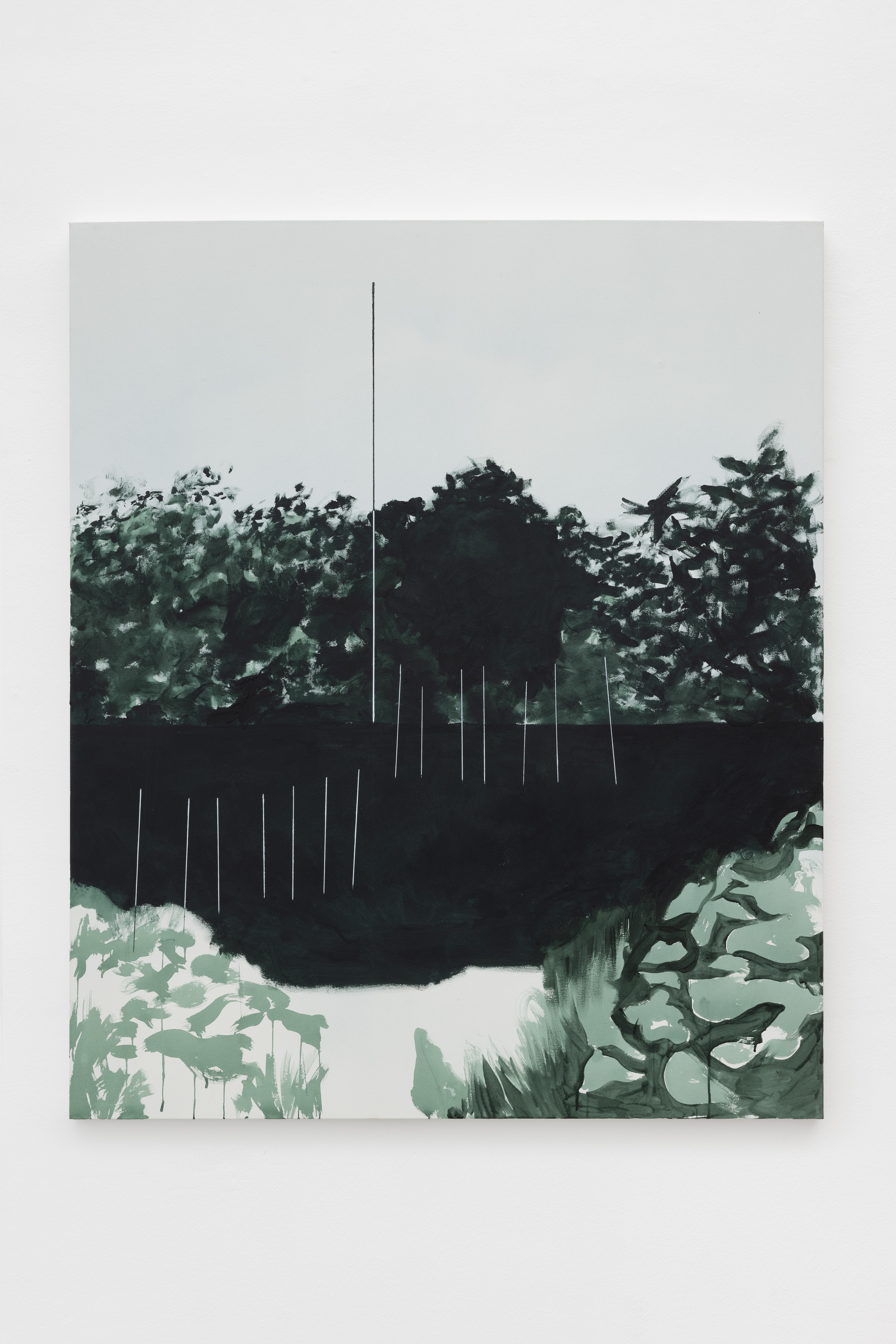
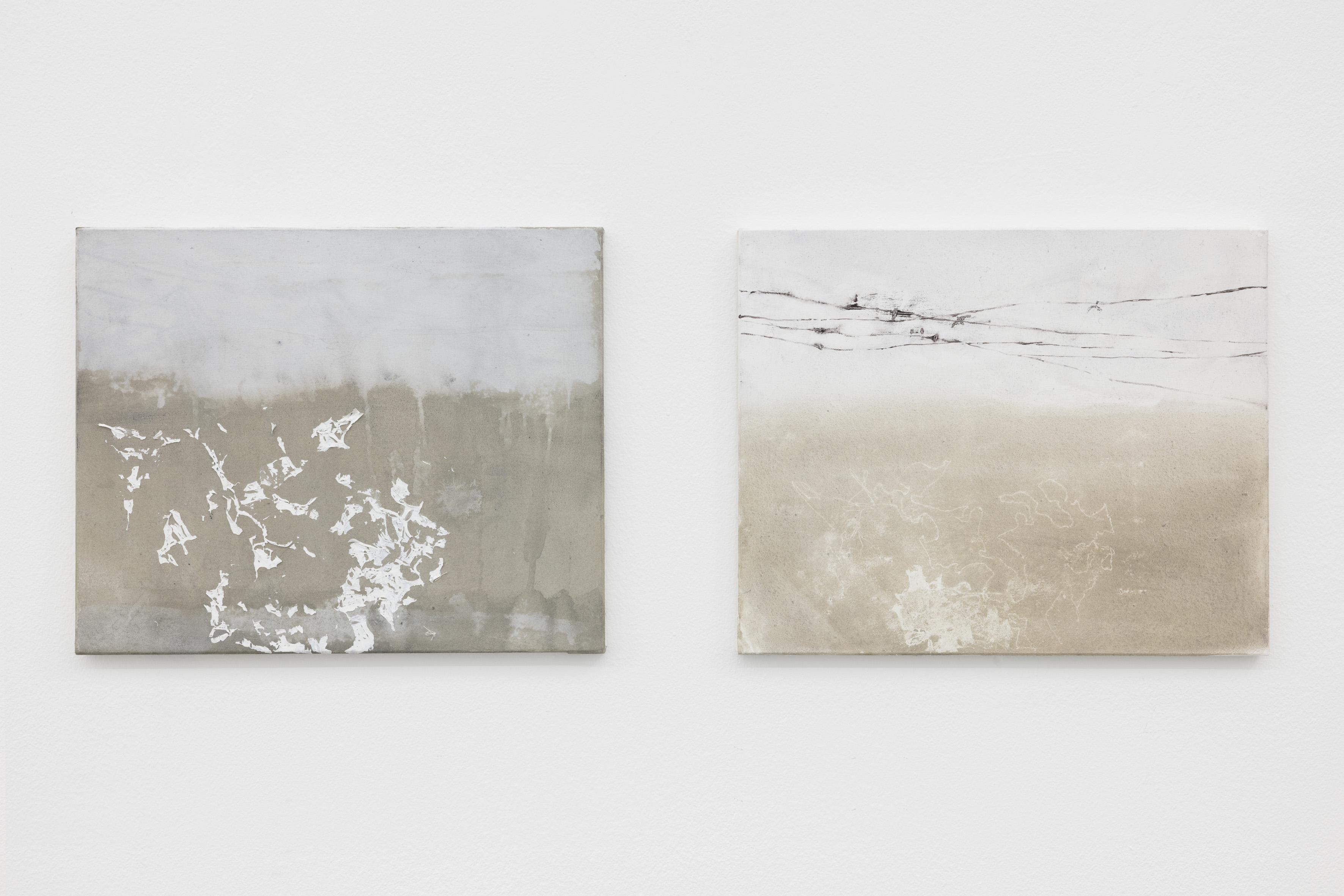
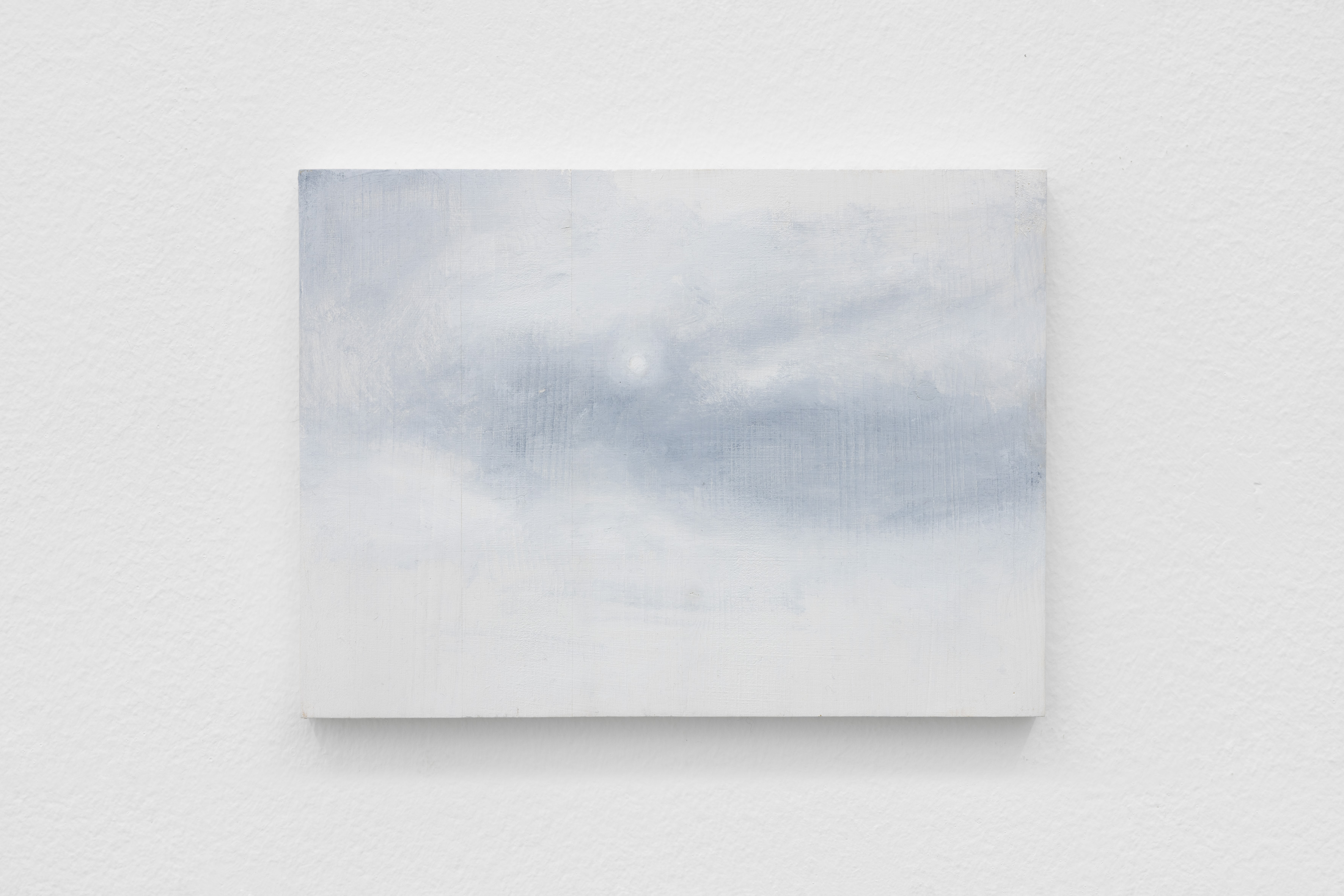
The paintings are the result of an essentially painterly process, in which the eye and the hand remain the primary tools of thought. Any conceptual, linguistic or photographic mediation takes back. The composition is carefully considered and patiently constructed, without being bound by a predetermined plan, while the image takes shape through fragments, patches and essential lines that seem to have survived the erosion of time. Nothing is dramatic or epic; instead, the contrary. Many of the works appear immersed in a mist that flattens forms and further softens colours. Everything is sparse, poetically sparse, always on the verge of dissolving and shifting from figuration into abstraction. They recall the suspended quality with which Giorgio Morandi approached his landscapes and badlands, with their vast, empty areas charged with a sense of breathing space. The tones, however, are colder than those of the Bolognese painter: nothing seeks to immediately capture the viewer’s gaze, nothing reassures or offers a sense of comfort.
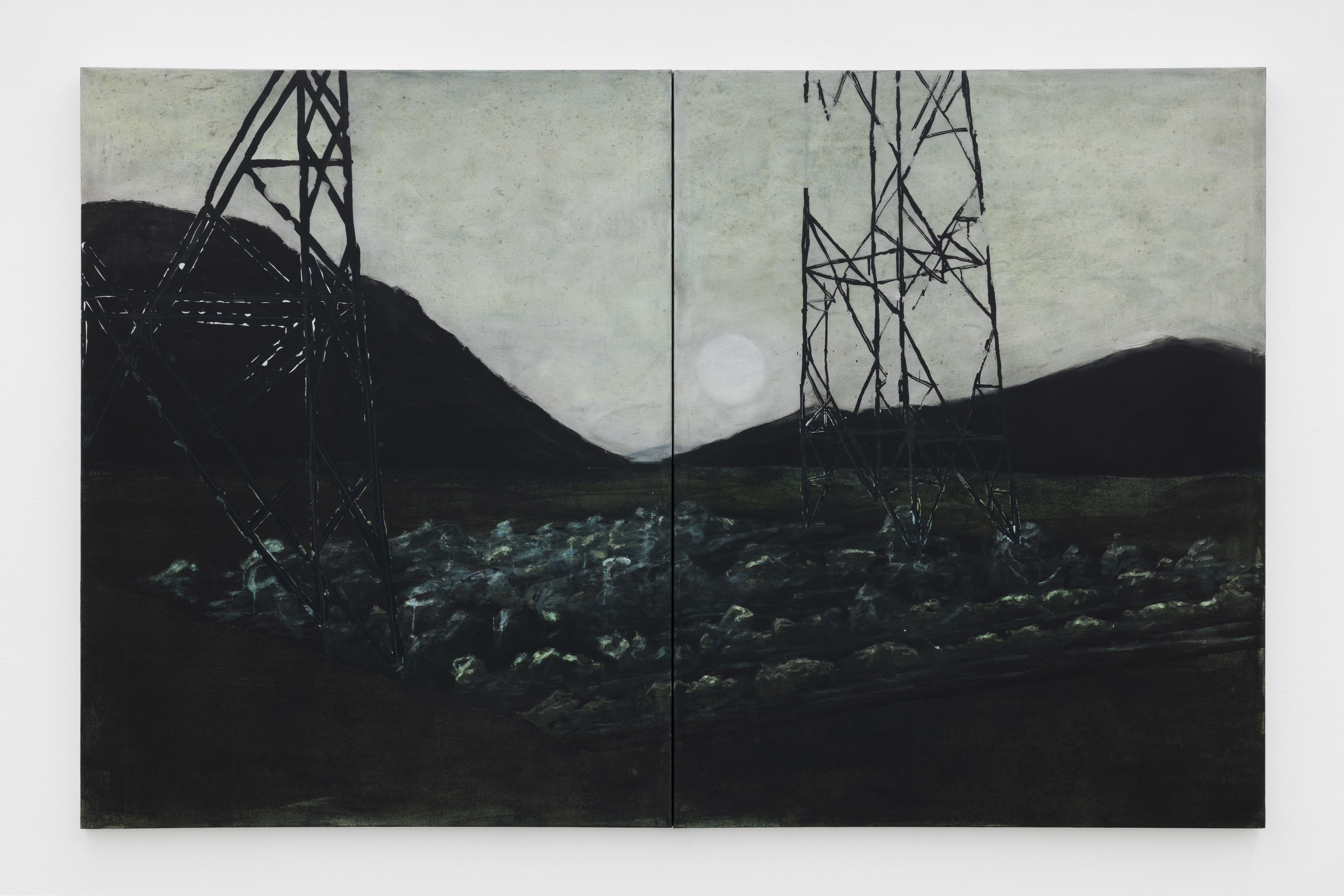
The element that holds this series together is the presence of electricity pylons and their associated power lines. First and foremost, they function as formal elements: thin, imperfect black lines, resembling elongated, intertwined strands of barbed wire, which forcefully cut across the paintings, infusing them with energy and leaving the viewer with a vague sense of danger. The towering pylons of the plains enter into dialogue with trees, one of the recurring subjects in Nuvola Camera’s practice, and at times formally take their place.
It is clear that these rarefied landscapes, devoid of any human presence, speak of the state of suspension in which we find ourselves today. They are places of waiting, where we struggle to project an image of the future or imagine a possible landscape in which we might move, whether in the short or long term. Yet this ambiguity also holds potential, and it is precisely this potential that charges these paintings with energy, despite their limited palette and handful of marks. “Painting is an exercise in listening,” says Nuvola. And these paintings must quite literally be felt with the eyes.
 10 Kalefield Lane, 2026Acrylic and oil on canvas, diptych
130×200 cm Meccano, 2026Acrylic on canvas
135×160 cm Credere ai Fantasmi, 2026Acrylic on canvas
136×160 cm Bosco Amarena (running away into you), 2025Acrylic on canvas
98×138 cm Il radioamatore, 2026Acrylic on canvas
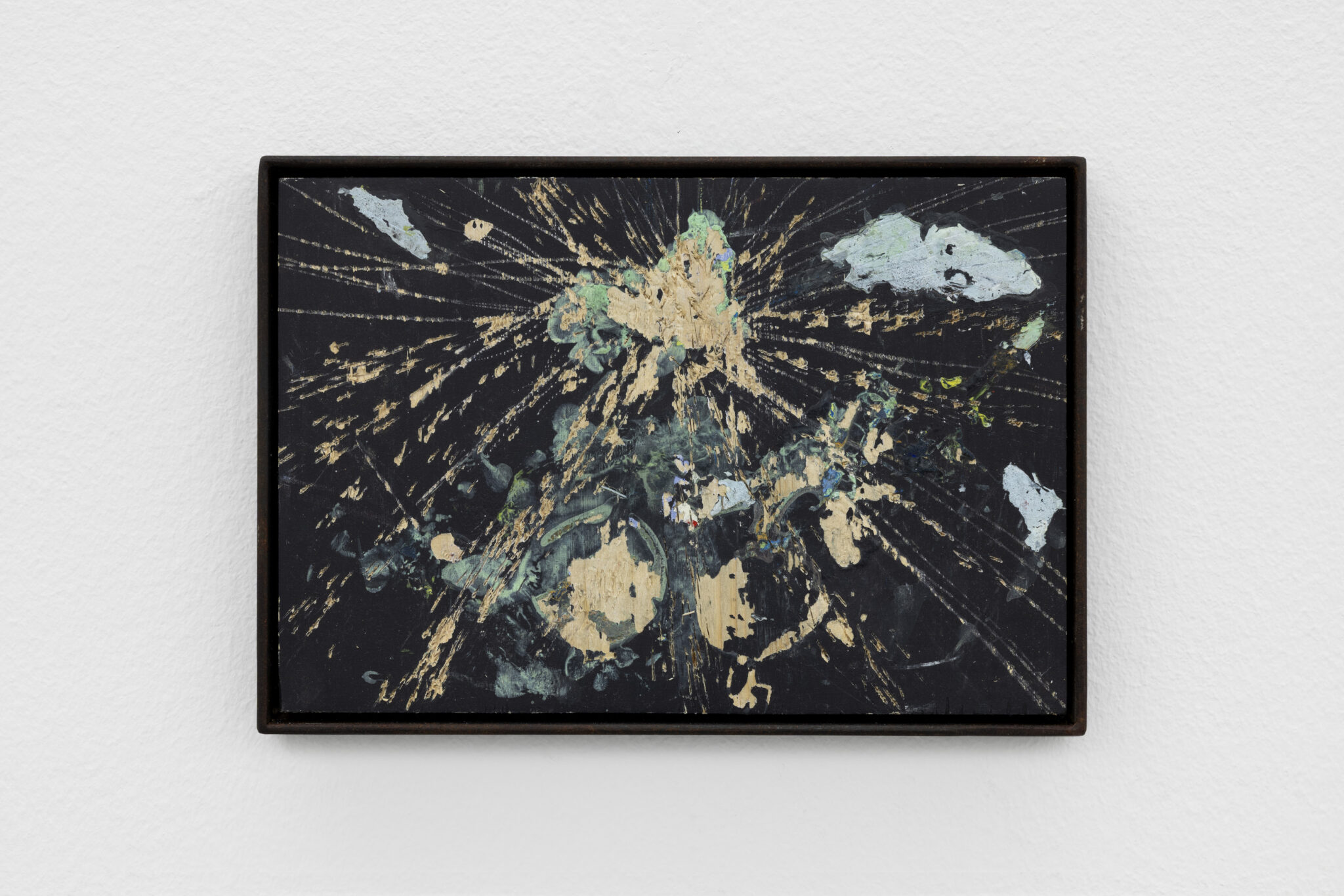
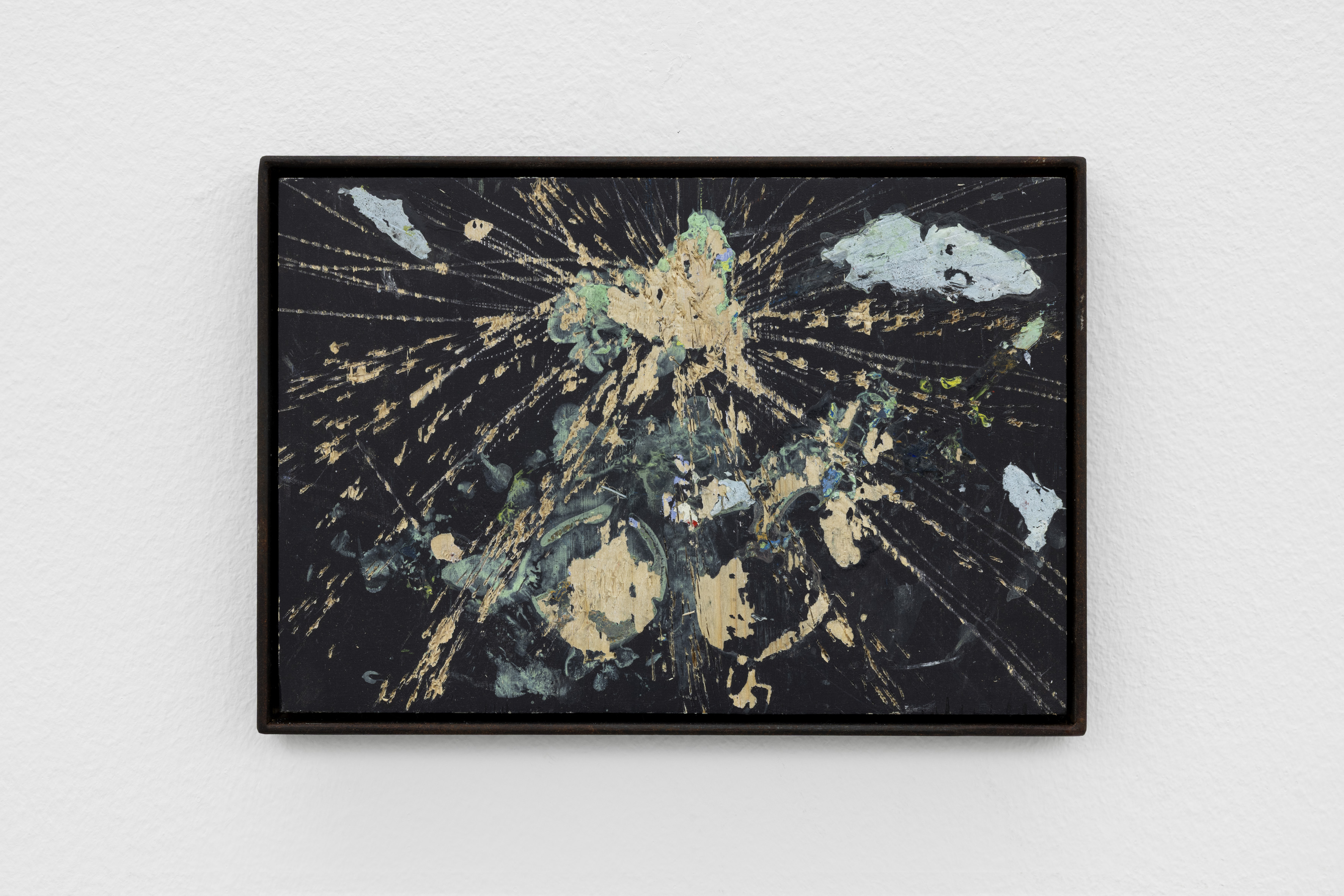
160×135 cm Rodeo, 2026Acrylic on wooden board, aged iron frame
20×30 cm
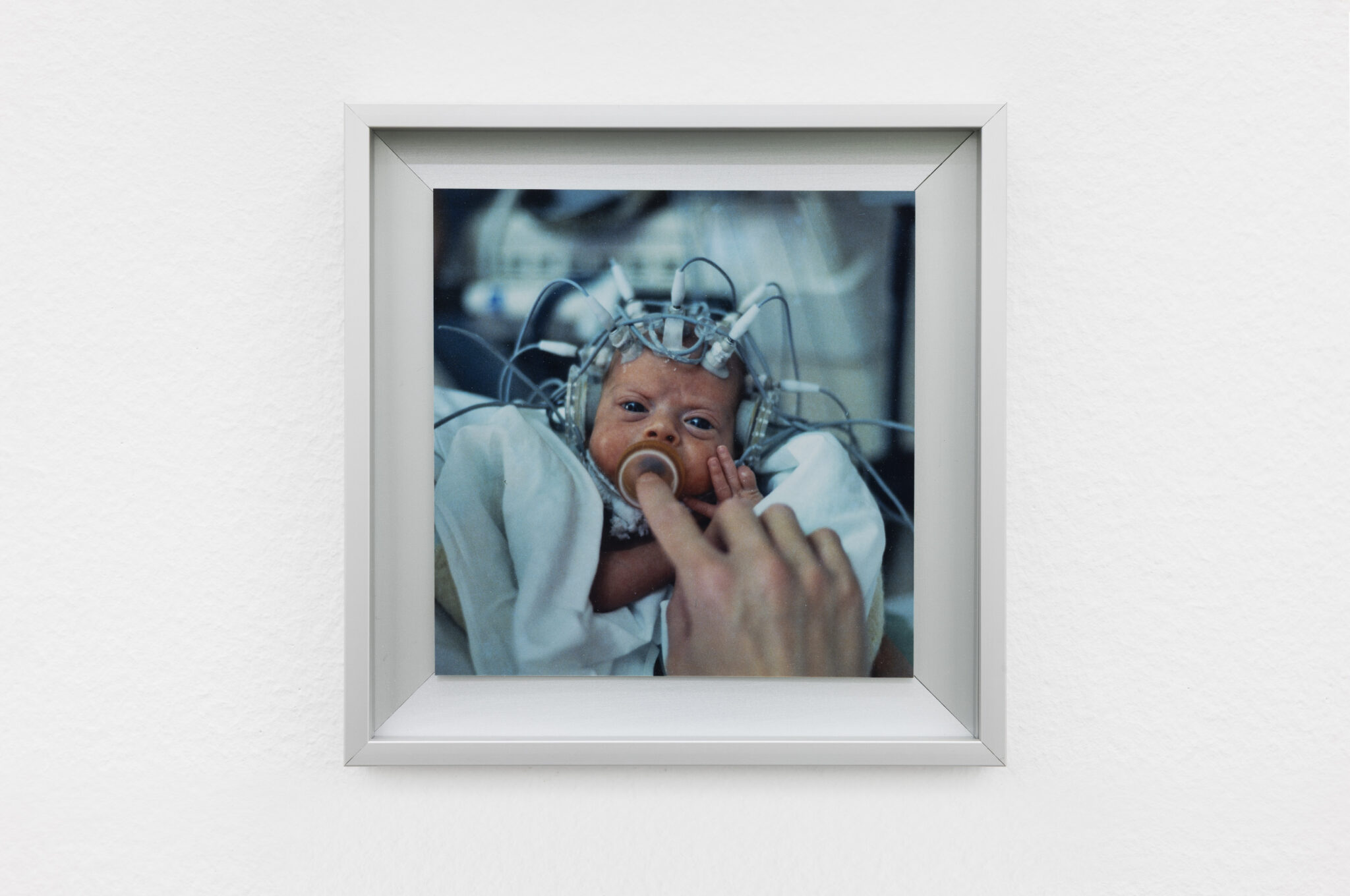
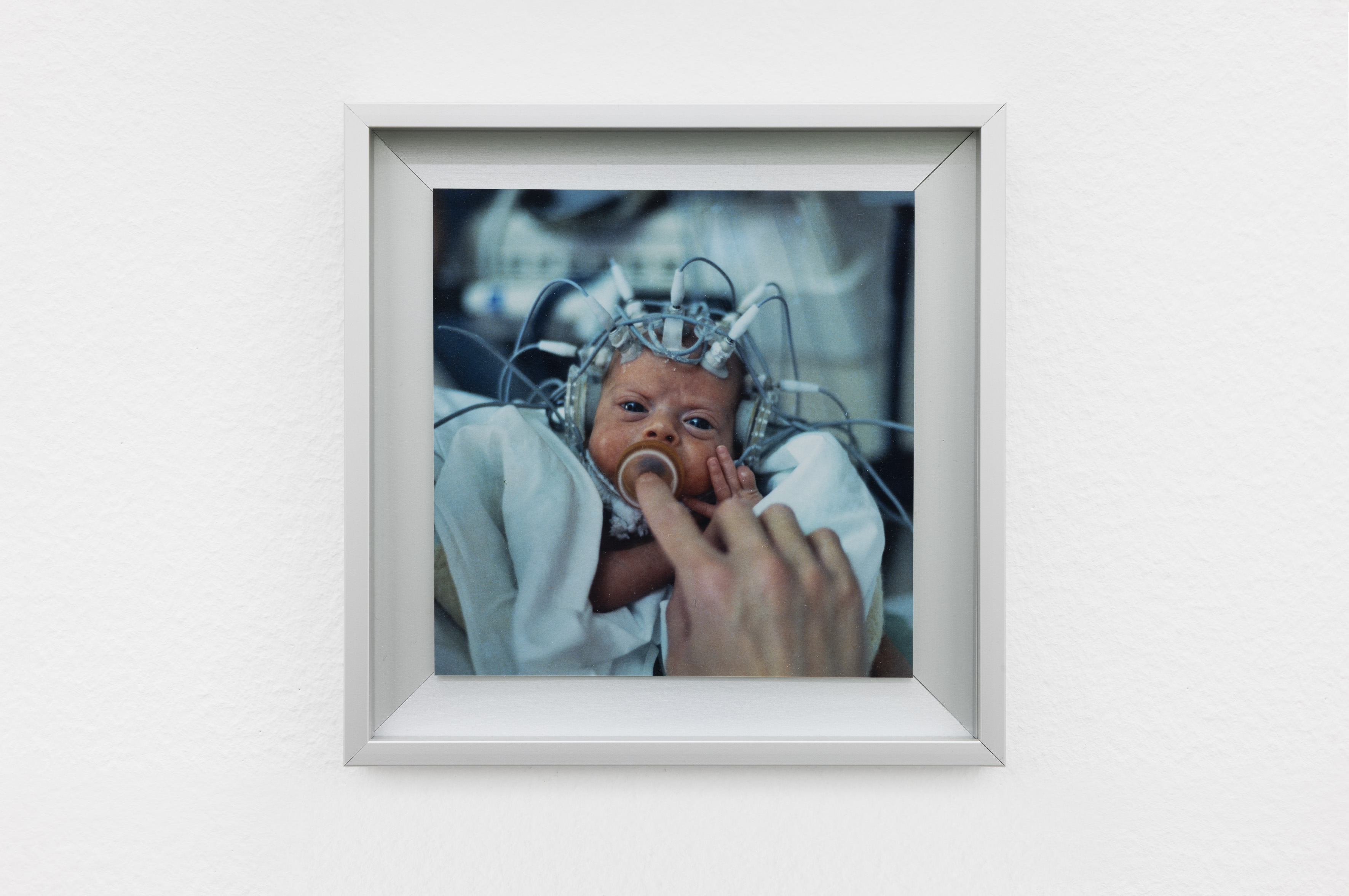
22×31,5×2,5 cm framed Radioso futuro, 1998/2026Photo, aluminum frame
15×15 cm
20,5×20,5×3,5 cm framed
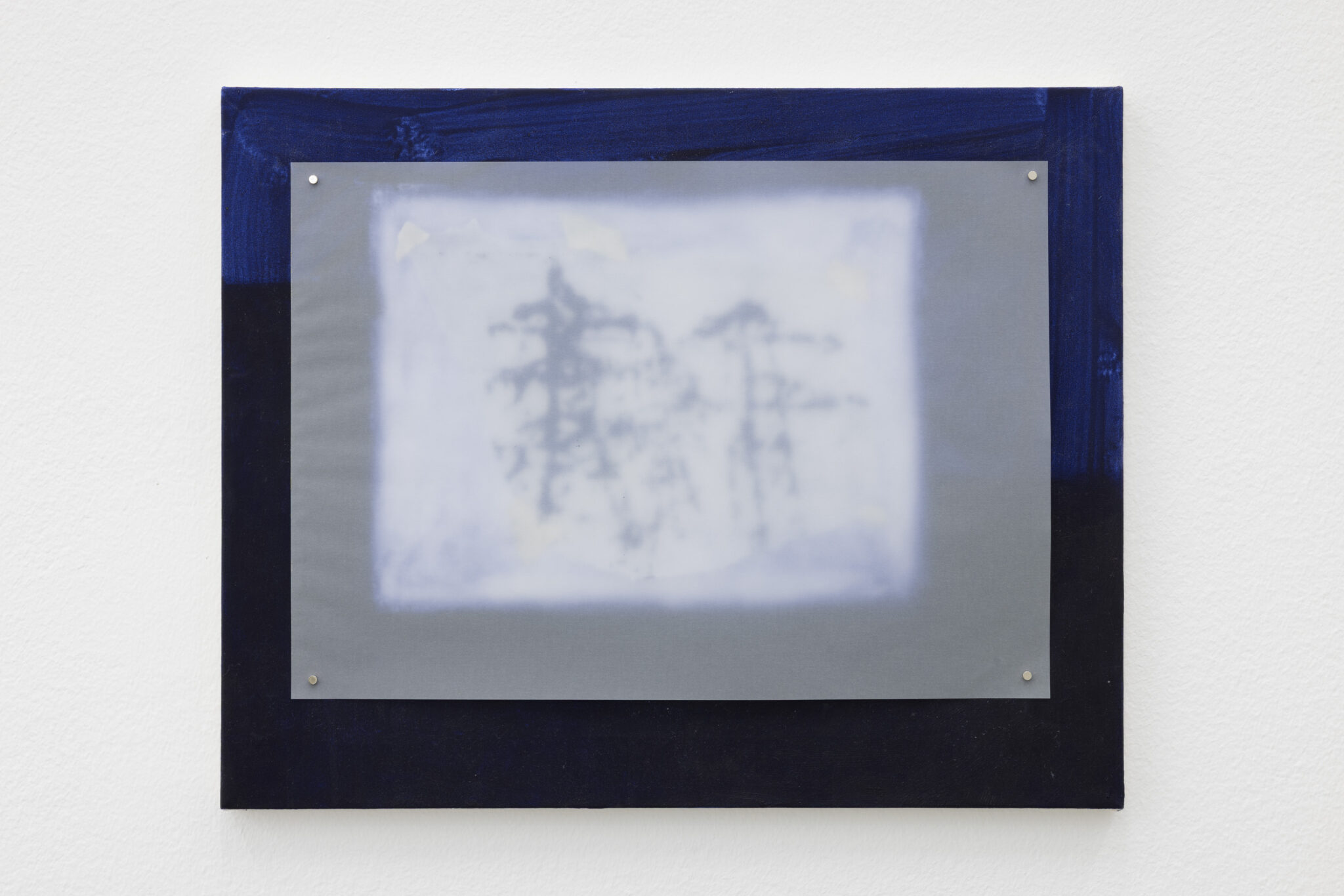
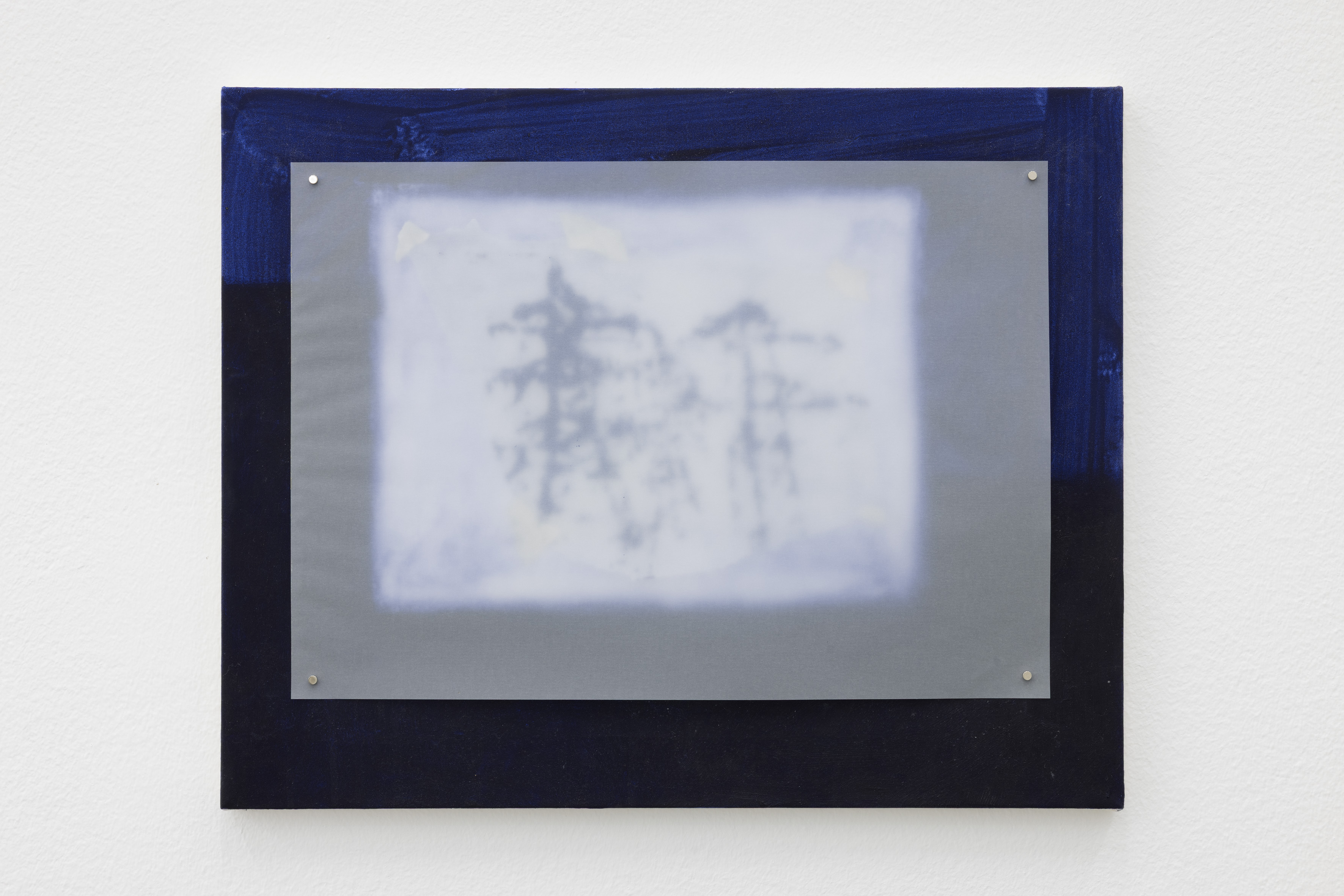
Edition of 3 The Flying Dutchman, 2026Oil, tracing paper and magnets on canvas
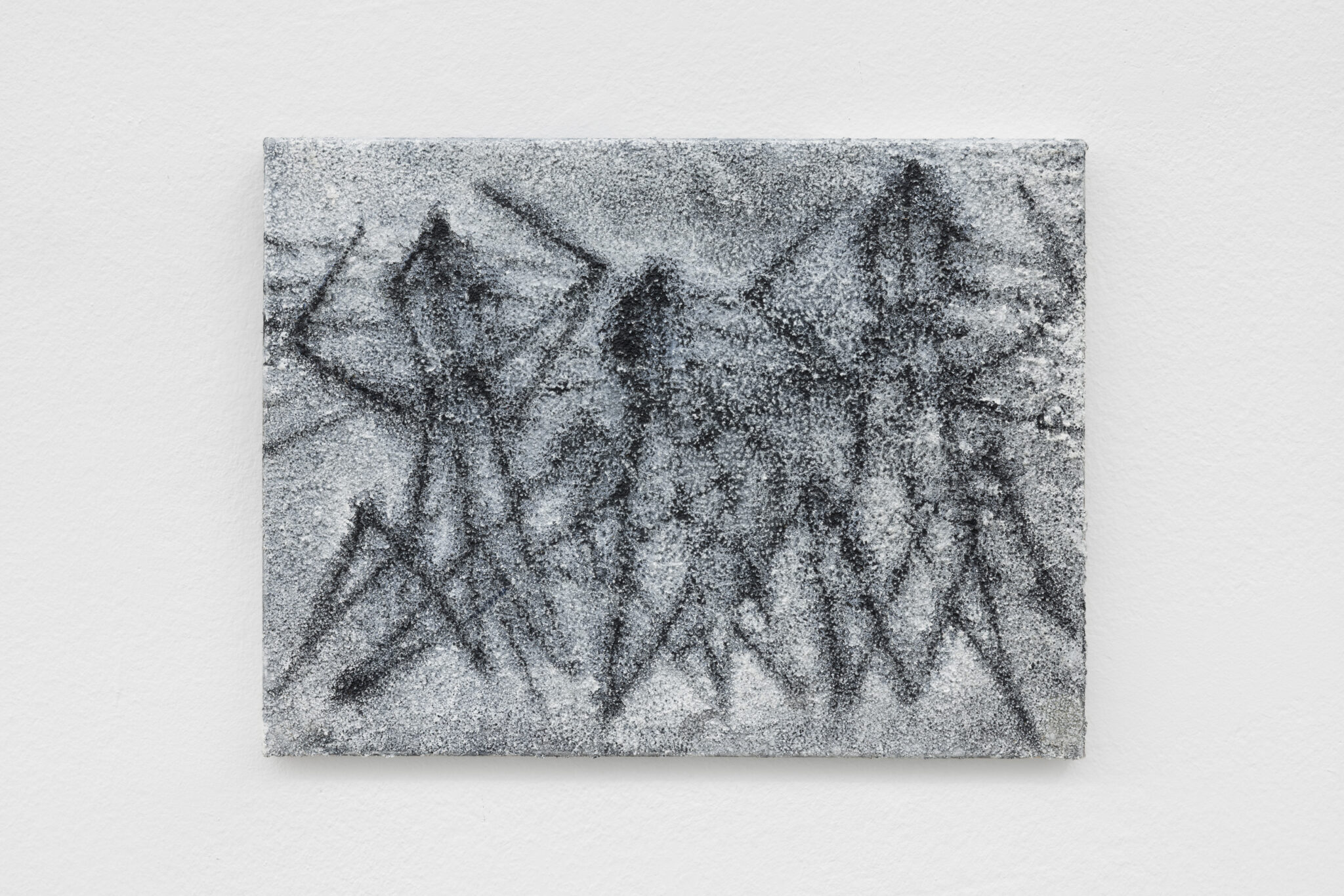
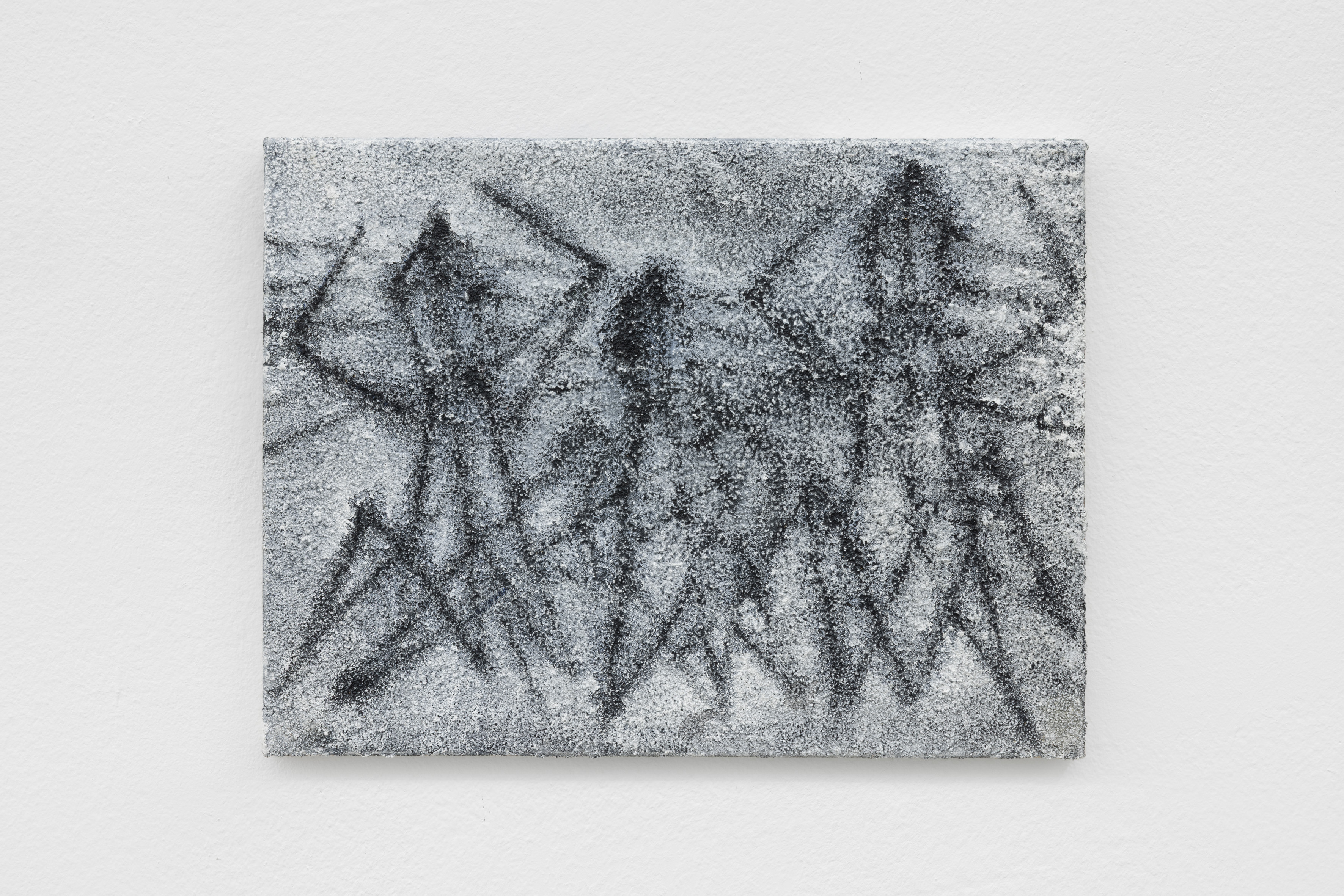
40×50 cm Our fears are the same, 2025Acrylic, oil and sand on canvas
30×40 cm Shadowing, 2026Oil on wooden board
22×30 cm Invasione di campo, 2025Oil and acrylic on canvas
40×50 cm Come un pensiero, 2025Collage on canvas
30×40 cm Pupille, 2026Acrylic, vinyl film and oil pastels on canvas, diptych
30×40 cm
each Incontri ravvicinati, 2026Acrylic, acrylic resin and oil pastels on canvas
30×40 cm lasciarandare, 2025Acrylic on canvas, diptych
40×50 cm each Cold Sun (I), 2026Acrylic on woodboard
22×30 cm